
















Guide to Your Best Sleep | CITY Furniture
MAR12914-1425-0404-MattressBuyingGuide-HP-SIB-XLG.jpg
MAR12914-1425-0404-IntroBuyingGuide-SIFB-XLG.jpg

It Starts with Knowing

What You Want

 
Finding the right mattress starts with understanding your unique sleep needs. This includes sleep habits and preferences, like firmness level, sleep position, or back pain and allergies. These factors will help us guide you to the perfect mattress for better sleep and comfort.
 
CITY Furniture believes an informed sleeper can be a happy sleeper. We’ll break down key questions you should ask yourself before taking your dreams to new heights.
 

1. Identify Your Needs

Let’s talk mattress size, sleep positions, and sleep disruptions.
MAR12914-1425-0404-SleepArrangements-SIFB-SM.jpg

MATTRESS SIZE

What Mattress Size Is
Best For You?
 
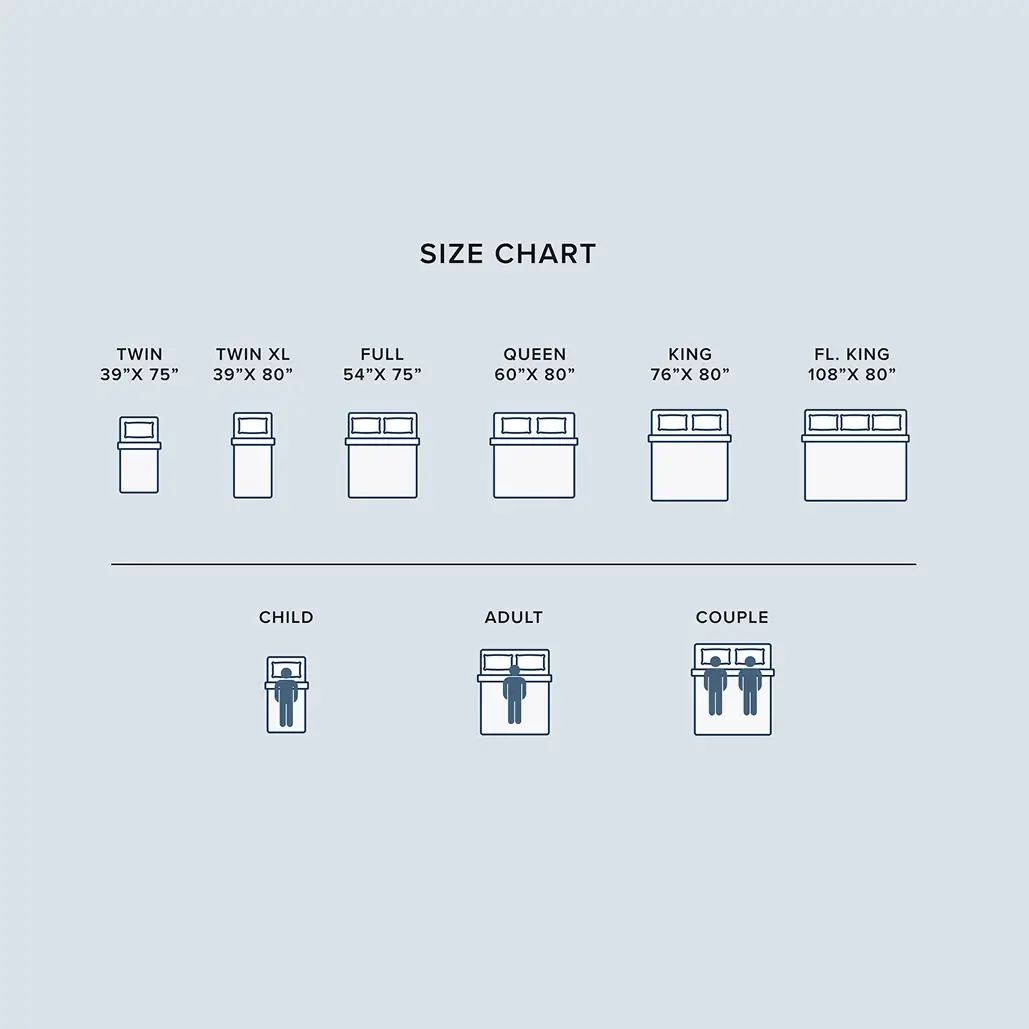
Selecting the right mattress size is essential for ensuring a restful night, especially when sharing a bed with a partner. A large mattress, such as a king or queen, can provide ample surface area for sleeping while accommodating your personal space. This is essential for those who have a sleeping partner. Movement during the night can lead to disturbances, while body heat can create discomfort, especially if one partner tends to run warm.
 
Additionally, snoring, conflicting sleep schedules, and different sleep positions can interrupt sleep quality. To mitigate these issues, investing in the largest mattress that comfortably fits your bedroom is highly recommended. Both sleepers should be able enjoy a more peaceful and uninterrupted sleep experience.
 
MAR12914-1425-0404-MATTRESSSIZES-SIB-XLG.jpg
MAR12914-1425-0404-sleeparrangements-SIFB-SM_update.jpg
Finding the Perfect
Comfort Level
 
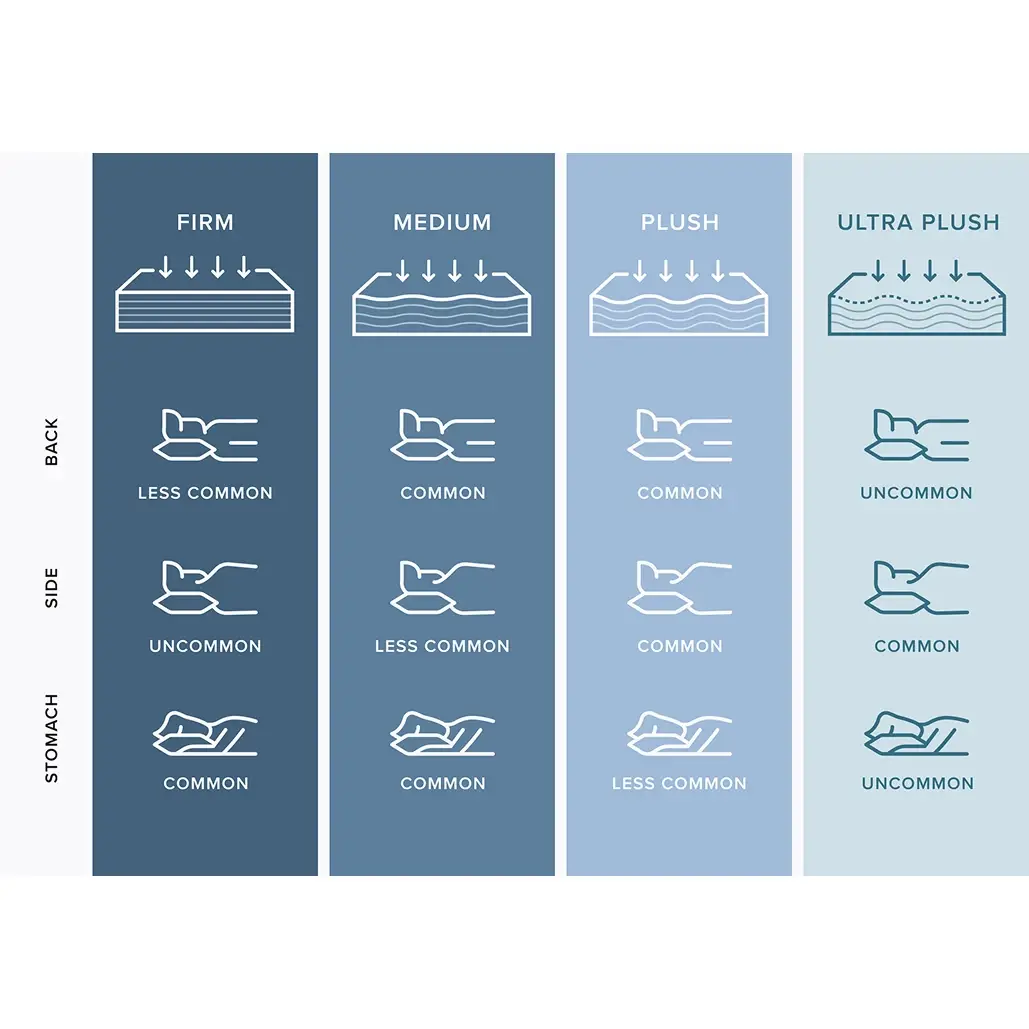
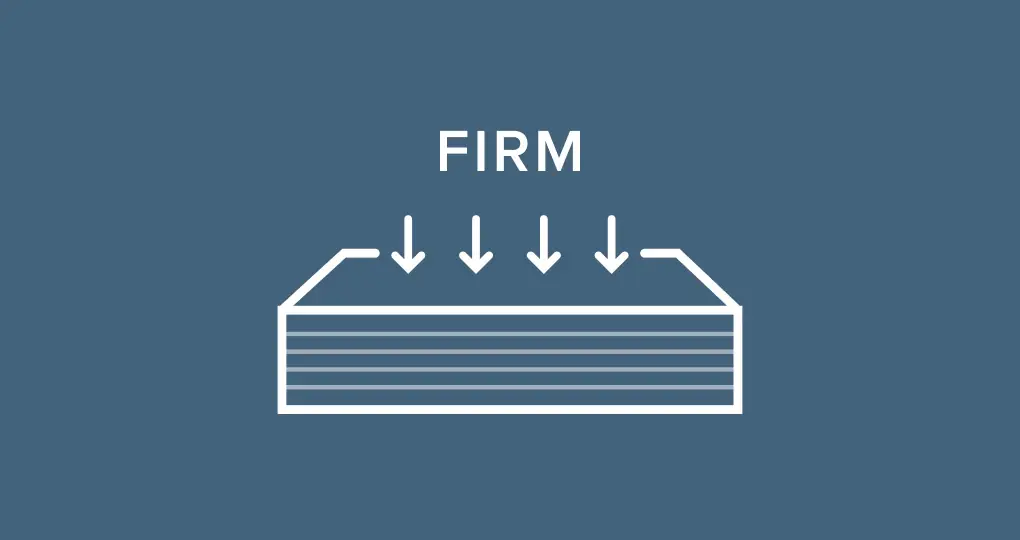
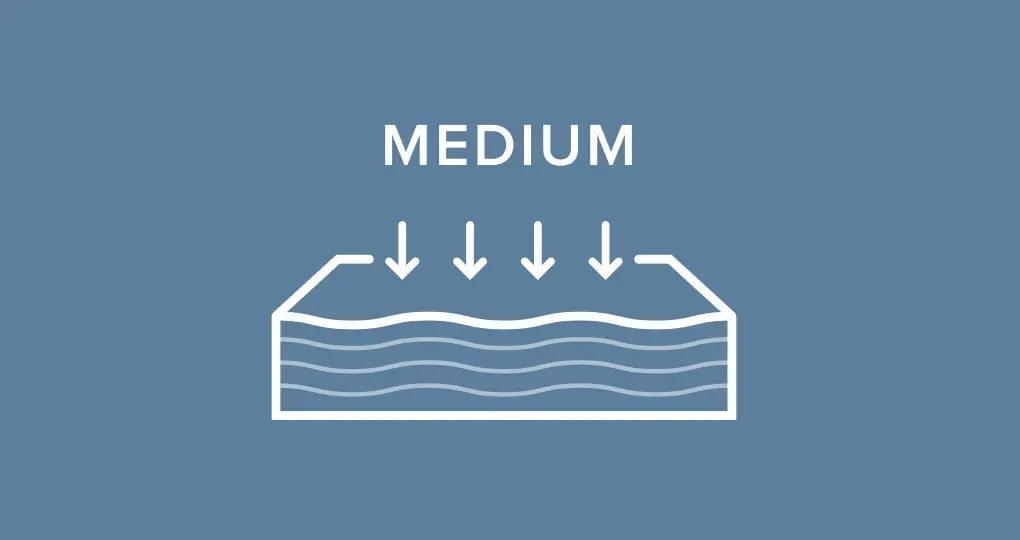
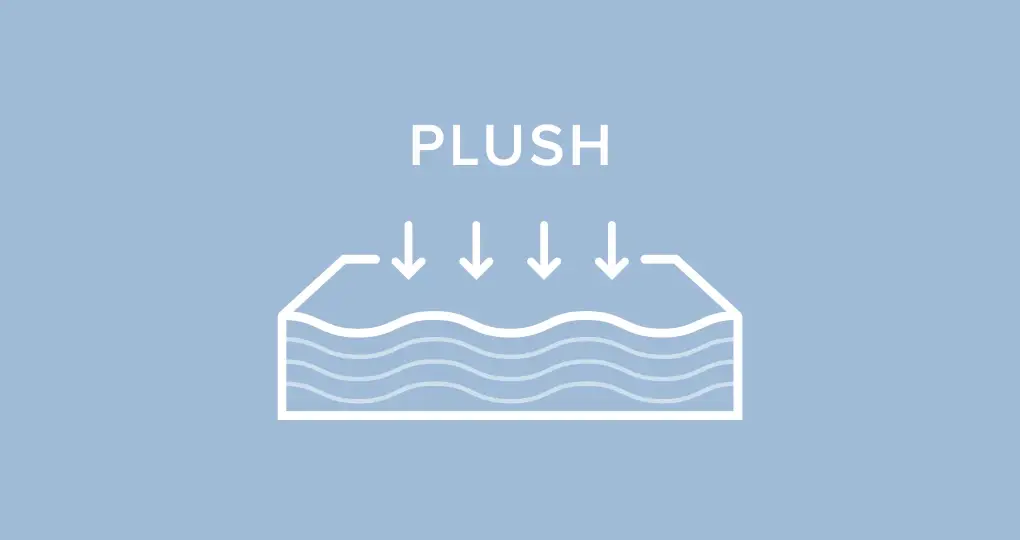
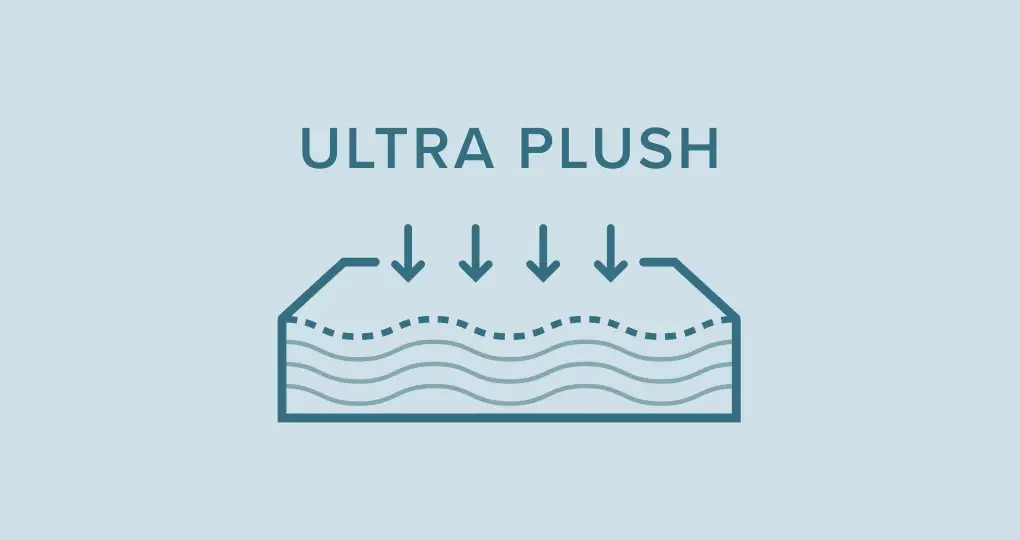
Your desired comfort level is critical to a great night’s sleep. The less comfortable you are, the more difficult it is to fall and stay asleep throughout the night. We offer a range of comfort levels no matter your sleep position. These levels include firm, cushion firm, plush, and ultra plush. Also, comfort is what you feel within moments of laying on your bed whereas pressure relief is what you should feel after settling into the bed. 
 
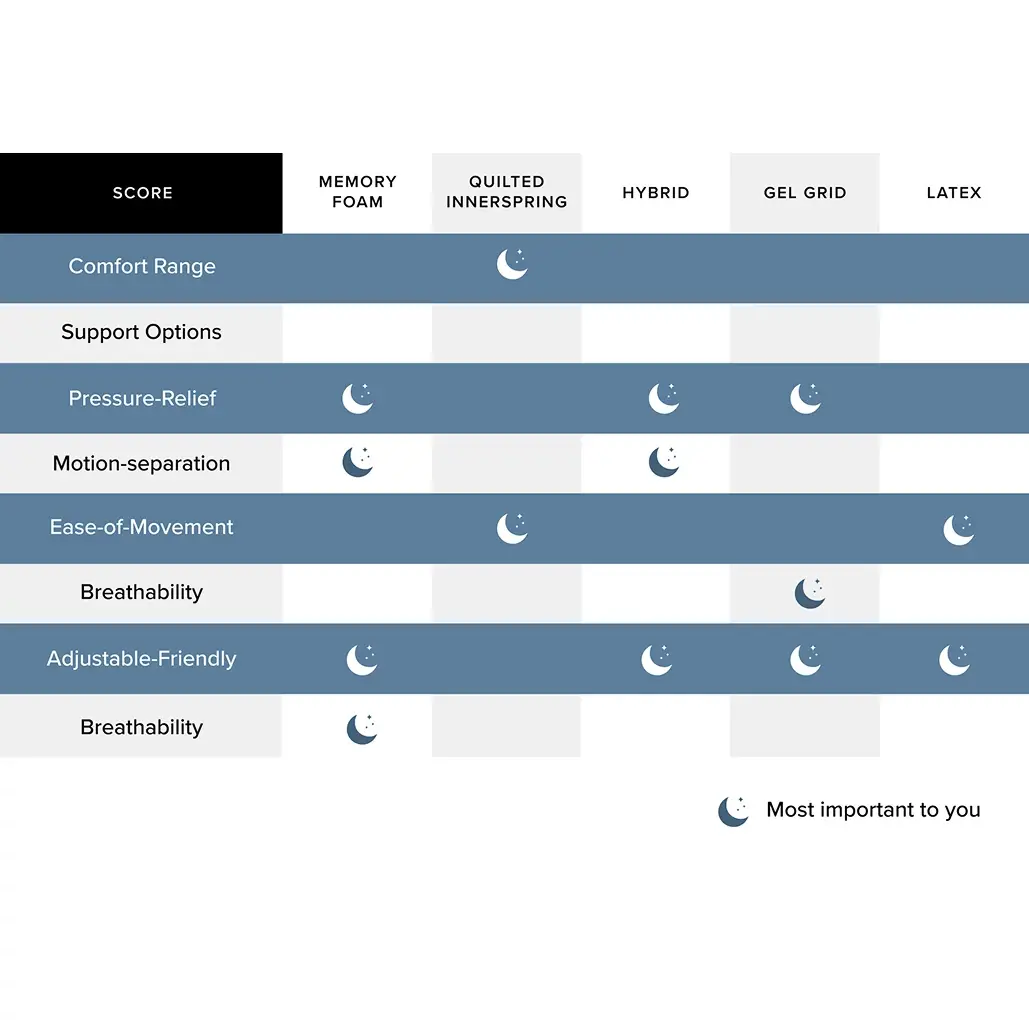
When considering these options, understand that the mattress type delivering these comforts may influence the feel. For example, a plush feel for a memory foam mattress may feel firmer than a plush feel for a quilted innerspring. Ultimately, comfort is all up to preference; however, there are so many factors that can help you buy the perfect mattress.
MAR12914-1425-0404-Firm-SBSC-XLG.jpg
Solid feel with minimal give, suited for back and stomach sleepers.
 
MAR12914-1425-0404-CushionFirm-SBSC-XLG.jpg
Contouring cushion feel best for back and stomach sleepers.
 
MAR12914-1425-0404-Plush-SIFB-SBSC.jpg
Soft feel with underlying support best for back and side sleepers.
 
MAR12914-1425-0404-UltraPlush-SBSC-XLG.jpg
Cloud-like, floating feeling best for side sleepers, not recommended for stomach sleepers.
MAR12914-1425-0404-SleepingConcerns-SIFB-XLG.jpg

SLEEP RELIEF

How Health Issues
Affect Your Sleep
 
Health concerns significantly influence mattress comfort choices. Conditions like acid reflux and sleep apnea require specific features, such as incline and support for better airflow. Memory foam or latex materials can help alleviate pressure points for various sleep disruptors. Softer mattresses are ideal for those with restless leg syndrome and joint pain, allowing for better relaxation. Mattresses with increased pressure relief are recommended for those with back pain.

2. Explore Mattress Types

Learn about materials, support options, and mattress tops.
Know the Difference

Know the Difference

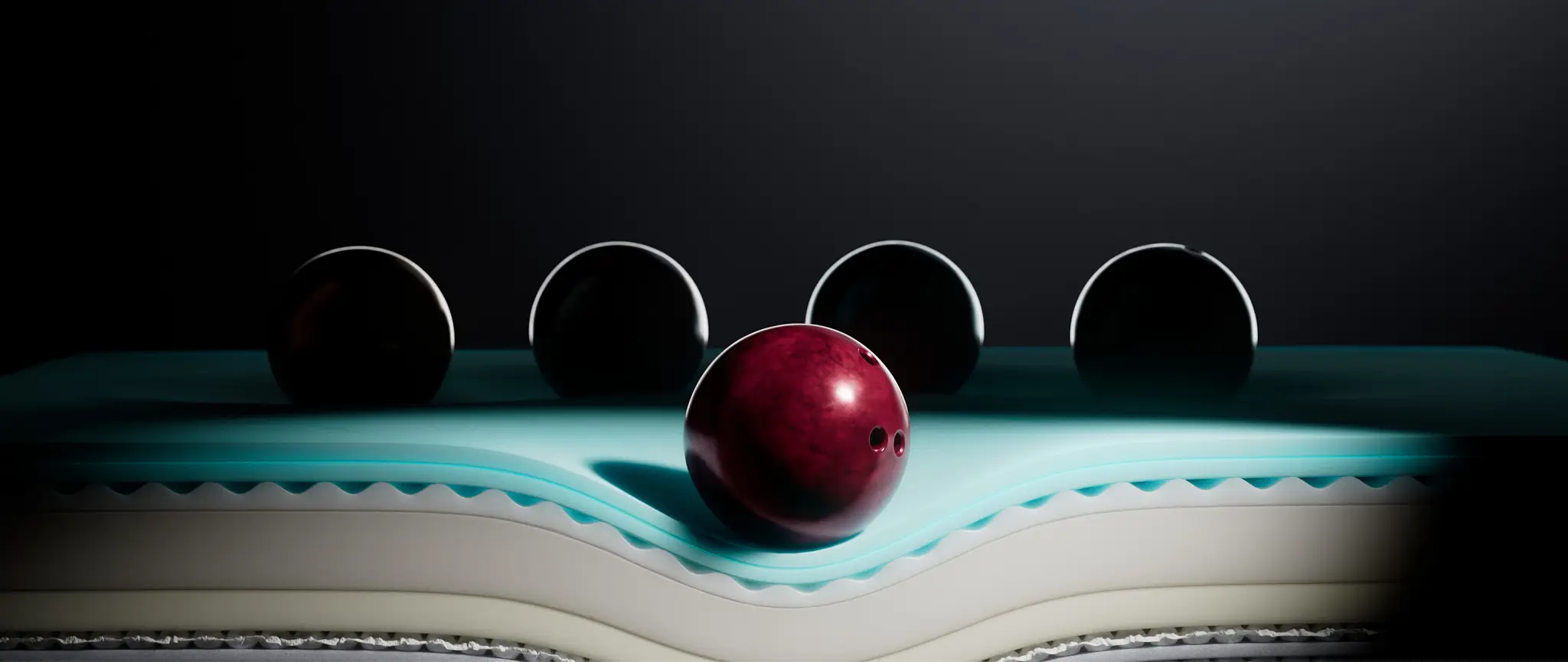
Certain types of mattresses are particularly effective at reducing motion transfer. For example, hybrid mattresses combine innerspring coils with foam layers and offer a balanced solution because the foam absorbs motion while the coils provide necessary support. Together, these materials create a sleeping surface that accommodates individual movement without disturbing a partner, leading to a more peaceful and uninterrupted night's sleep.
MAR12914-1425-0404-MattressTops-HP-SIB-XLG.jpg

Types of Mattresses

Types of Support

3. Discover Mattress Features

Comfort and pressure relief, cooling, and motion transfer materials.
MAR12914-1425-0404-MattressFeatures-SIFB-XLG.jpg
How Do Comfort Materials
Affect Sleep?
 
Comfort is described as the feeling when you initially lay down on a mattress versus pressure-relief, which is how a material conforms to the body to distribute body weight, reducing pressure from sensitive body points.
 
Comfort is a personal preference. Each of these materials have a range of qualities, densities, and features that influences performance.

Comfort Materials

Fibers

Fibers

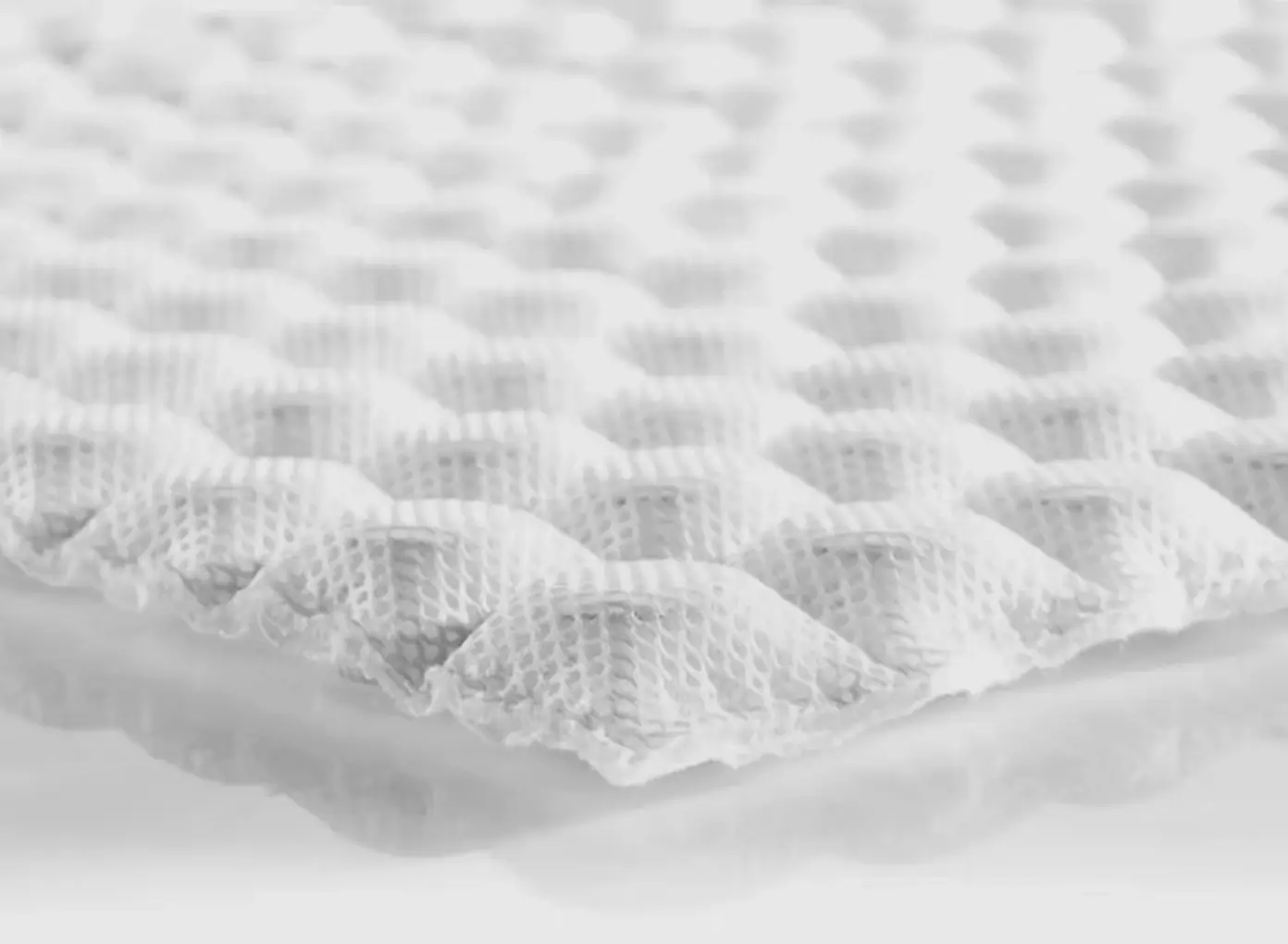
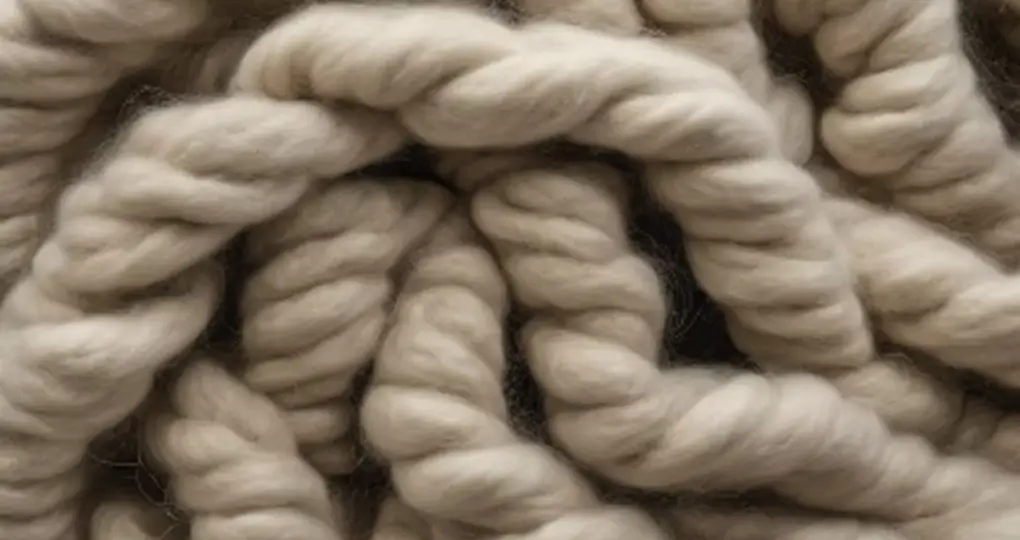
Natural fibers like cotton and wool offer breathability and moisture-wicking, while synthetics like polyester add cushioning. You can find blends that balance softness, durability, and temperature regulation for all-night comfort.
Foams

Foams

Foams enhance comfort by contouring to the body and offering resilient support, improving mattress durability while also adapting to all sleep positions for consistent, restful sleep.
 
Microcoils

Microcoils

Microcoils use thousands of small coils to cradle the body, reduce motion transfer, and extend comfort life with a responsive, latex-like feel and eco-friendly durability.
 

Pressure Relief Materials

Latex

Pressure Relief

Latex

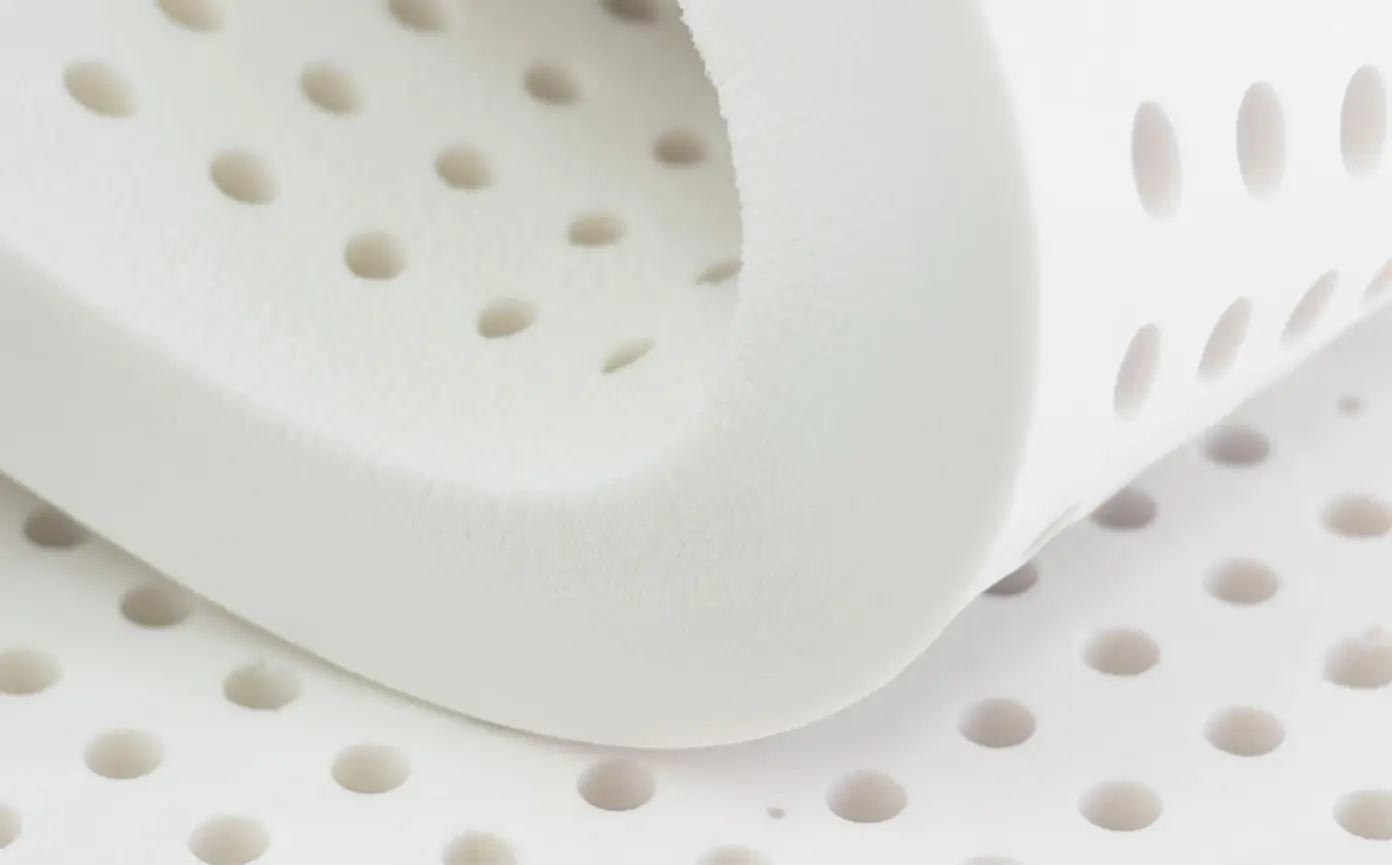
Natural or synthetic latex foam offers a responsive, springy feel with excellent durability. It provides pressure relief and support like memory foam but with more bounce and better breathability. Natural latex is eco-friendly and hypoallergenic, while synthetic latex tends to be more affordable.
Foam

Pressure Relief

Foam

Known for its ability to conform to the shape of your body, memory foam offers pressure relief and support. It responds to heat and pressure, allowing it to contour to body curves, distribute weight evenly, and reduce pressure points. It also absorbs motion, making it ideal for couples.
 
Gel Grids

Pressure Relief

Gel Grids

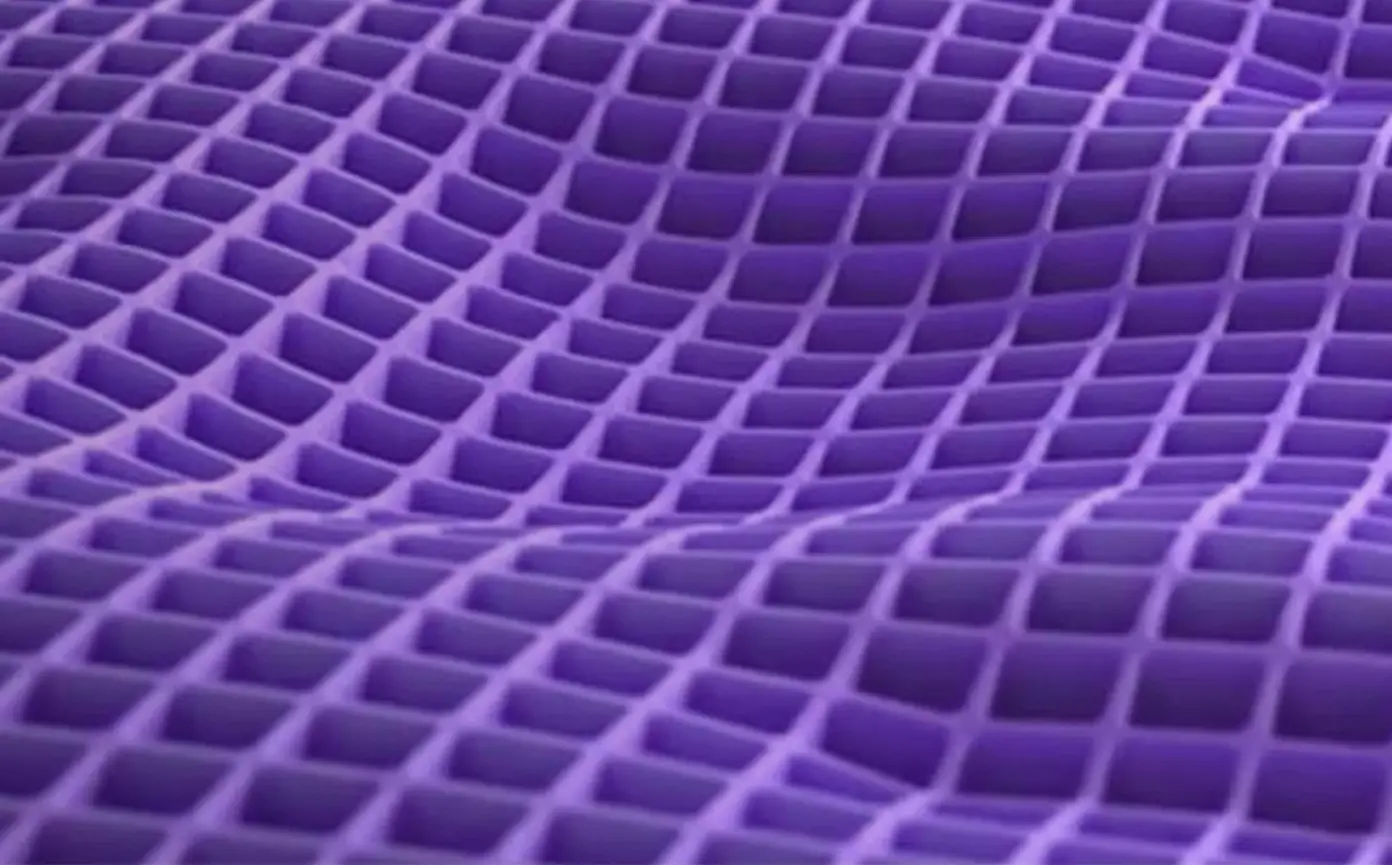
Gel grids provide excellent pressure relief by flexibly adapting to the sleeper's shape. Their unique structure compresses and distributes weight evenly, alleviating pressure points on areas like shoulders and hips. This dynamic support enhances comfort and promotes better spinal alignment.
MAR12914-1425-0404-Cooling-SIFB-XLG.jpg
Optimize Your Sleep
With Cooling Materials
 
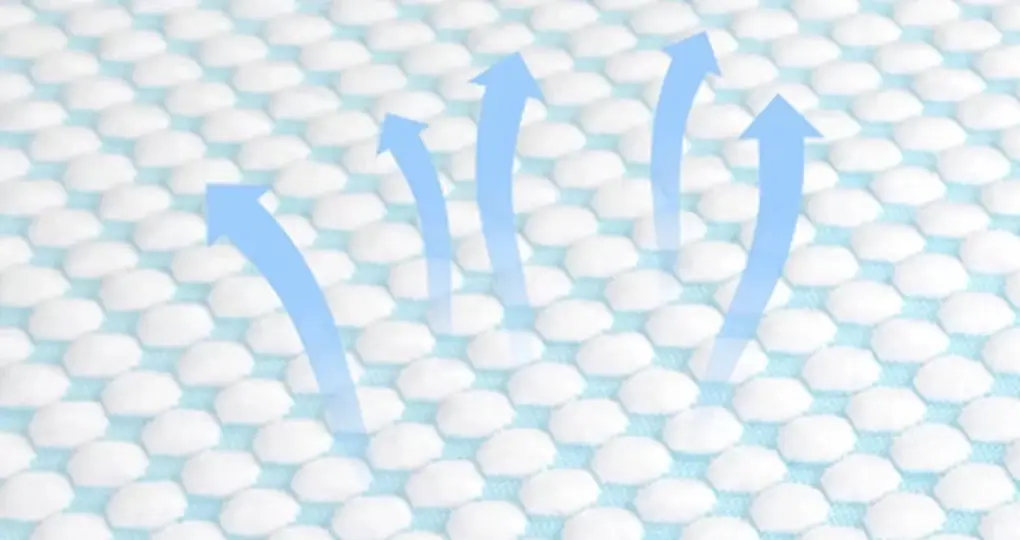
Temperature regulation is crucial for sleep quality when choosing a mattress. Various cooling technologies can help like, passive cooling materials, designs that enhance airflow, active systems for air circulation, and temperature-controlled layers. Understanding these options will help you select a mattress that maintains your desired sleeping temperature for a restful sleep experience. 

Cooling Technologies

Cooling Materials

Cooling Materials

Enjoy a "cool to the touch" sensation with cooling materials. Examples include Phase Change Materials (PCM), cooling minerals, and cooling yarns. They work by absorbing excess body heat and redirecting it, helping regulate your temperature as you sleep.
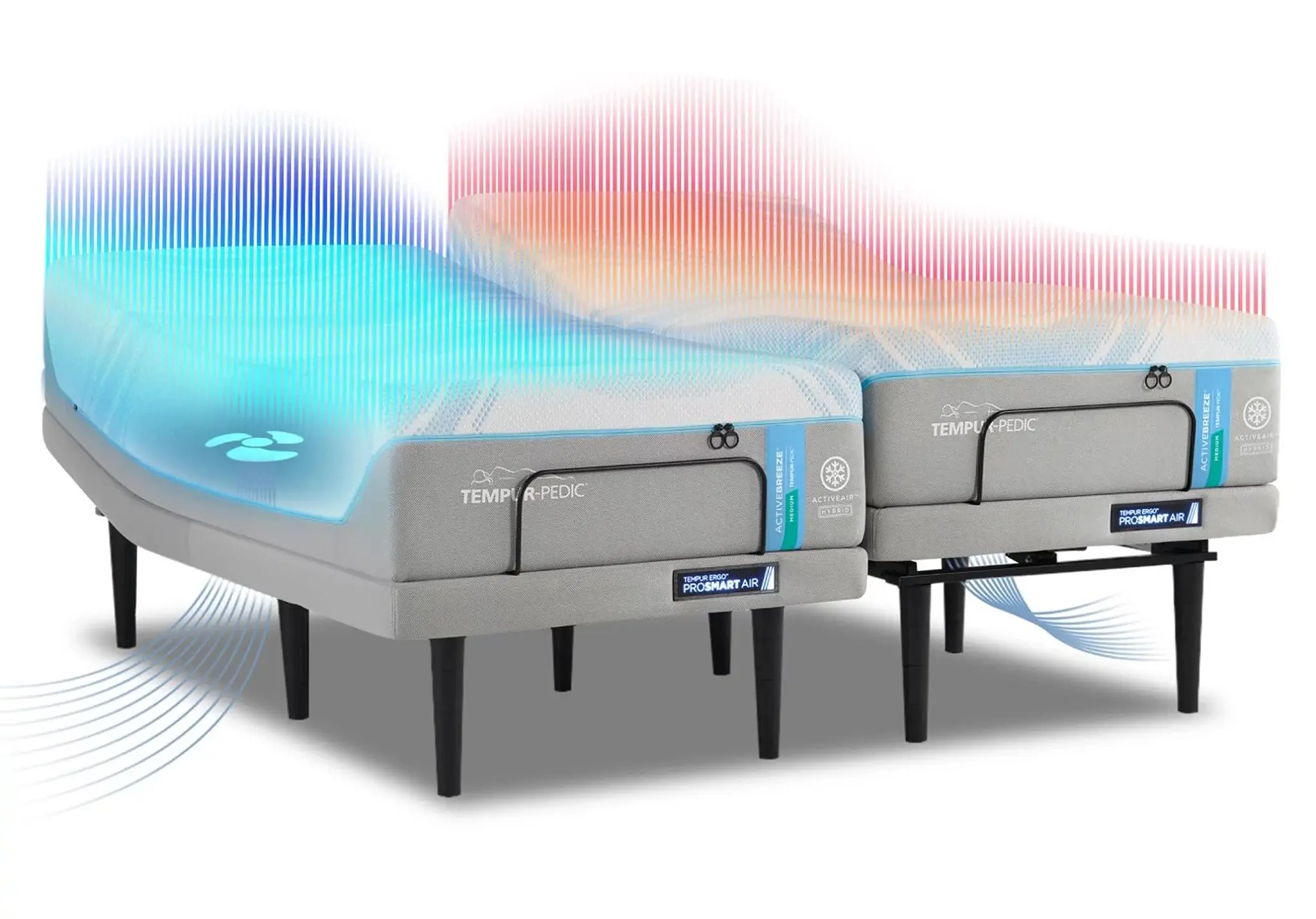
Active Cooling

Active Cooling

The latest technology includes temperature-controlled products that use integrated systems to provide precise control over your sleeping environment. This technology helps you fall asleep faster, stay comfortable, and stay cool.
 

Types of Cooling Materials

Cooling Treatments

Cooling Treatments

Includes Phase Change Materials, which are designed to absorb, store, and release heat as needed. Their "cool to the touch" sensation and ability to manage temperature changes provide a more comfortable sleep environment.
Cooling Minerals

Cooling Minerals

These include graphite and gel-infused foams, which play an important role in enhancing sleep comfort by regulating temperature. These materials work by absorbing and dissipating body heat, creating a cooler sleeping surface. 
Cooling Yarns

Cooling Yarns

These innovative materials are designed to wick away moisture and regulate temperature, ensuring that sleepers remain cool throughout the night. Cooling yarns are woven into fabrics and create a more comfortable sleeping surface.
Cooling Fibers

Cooling Fibers

Fibers can also keep mattresses cool by effectively wicking away moisture and allowing air flow. Natural fibers like cotton and wool can keep mattress surfaces dry and comfortable throughout the night.
 
MAR12914-1425-0404-MotionTransfer-COI-XLG.jpg

What Is Motion Transfer?

Motion transfer in a mattress refers to the way movements on one side of the bed can disturb
partners on the other side. Minor movements, turning over, or getting up can lead to
noticeable shifts on the opposite side.
 
This can result in frequent awakenings and disrupted sleep for light sleepers, ultimately
affecting overall sleep quality and mood. Many modern mattresses are designed with
materials that absorb motion to create a more peaceful sleep environment for both partners.
Choosing a mattress with low motion transfer is recommended for those that have a sleeping
partner.
MAR12914-1425-0404-FINDASTORE-COI-XLG.jpg

Visit A Sleep Gallery

Test a mattress. Get a gift. We’ll make a donation.
In 2023 alone, we raised over $1,500,000 for
our partner charities.