
Top Spring Moving Tips for a Stress-Free Transition
Spring is the season of fresh starts — making it an ideal time for a seasonal relocation. With milder temperatures, longer daylight hours, and renewed motivation, moving during this time can feel energizing and more manageable than extreme summer heat or winter conditions. However, spring also brings unpredictable weather and increased demand for movers, which makes early planning essential. Partnering with reliable services such as CITY Moves can help secure your preferred schedule and ensure your relocation stays organized despite seasonal challenges.
This guide shares practical spring moving tips, a clear packing checklist, and smart planning strategies to help you transition smoothly while setting up your new home in an efficient, organized, and refreshing way.
Declutter Before You Pack: The Essential First Step for a Stress-Free Spring Move
Before packing, start with a strategic spring declutter. Pairing spring cleaning with moving planning reduces stress, streamlines logistics, and simplifies your move. The fewer items you bring, the lower your moving costs — and the easier your unpacking process will be once you arrive. A lighter load also allows professional services like CITY Moves to operate more efficiently, helping your relocation stay on schedule and within budget.
Decluttering isn’t just about getting rid of things; it’s about creating space for a fresh start in your new home and ensuring everything you move serves a purpose. By relocating only what you truly need and love, you set the foundation for a more organized, functional space — making it easier for CITY Moves to deliver, place, and set up your belongings smoothly from day one.

Why Decluttering Before Moving Saves Time, Money, and Stress?
A thorough home declutter can:
-
Lower moving expenses by reducing box count and labor time
-
Cut down packing and loading hours
-
Minimize clutter in your new space
-
Improve home staging if you're selling
-
Make your home setup more organized and intentional
Professional movers often calculate costs based on weight, time, or truck space — meaning less inventory can directly impact your budget.

Room-by-Room Decluttering for Efficient Pre-Move Organization
For an efficient pre-move organization plan, go room by room instead of tackling everything at once. This prevents overwhelm and keeps your relocation checklist manageable.
Use the simple 4-Box Method:
-
Keep – Items you truly use and need
-
Donate – Gently used clothing, furniture, and household goods
-
Sell – Valuable or lightly used items
-
Discard – Broken, expired, or unusable items
Focus first on storage-heavy areas like closets, basements, garages, and kitchen cabinets. These spaces often contain forgotten or seasonal belongings.
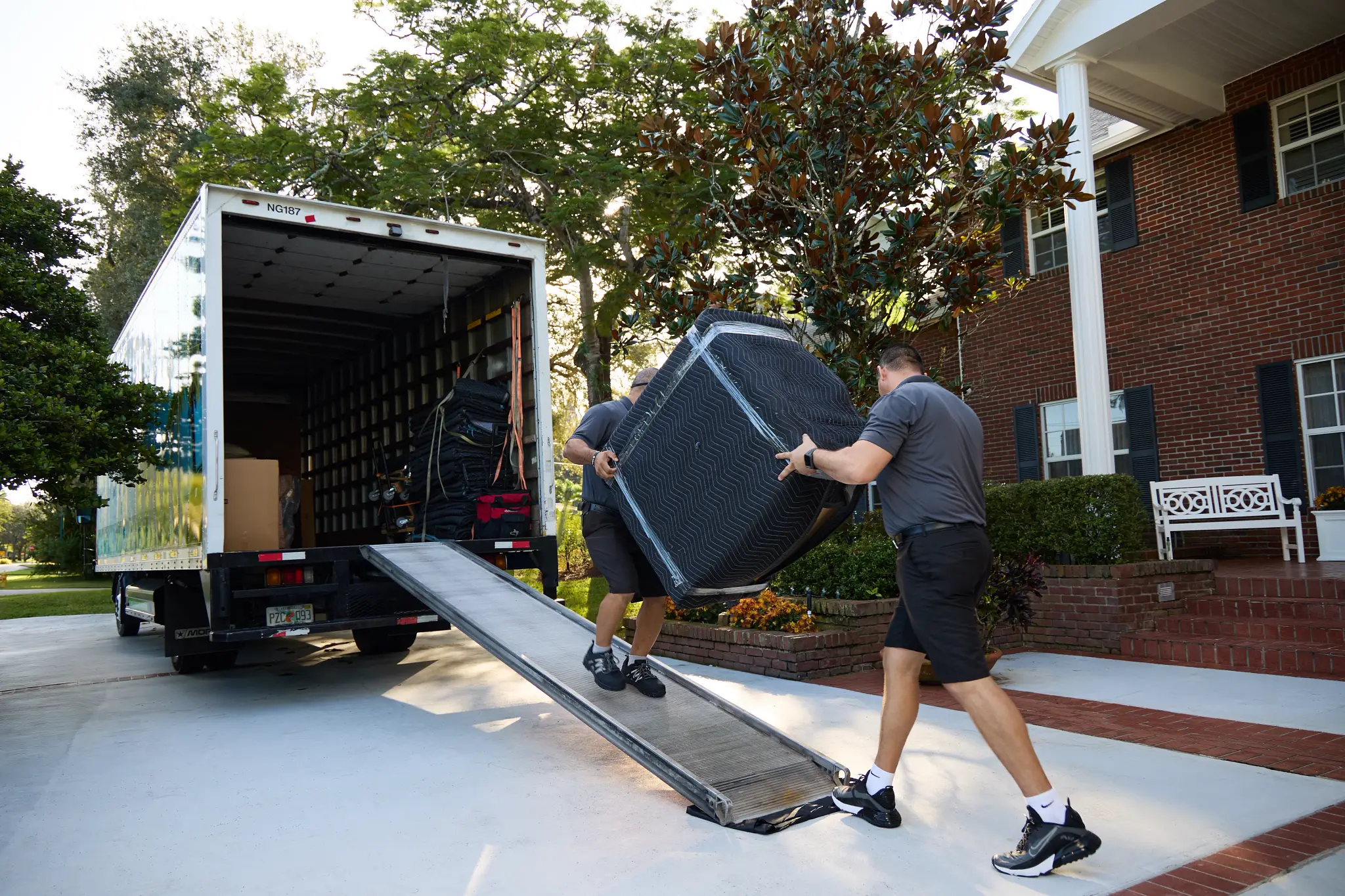
Host a Garage Sale or Schedule Donations to Lighten Your Load
Hosting a garage sale or scheduling a donation pickup before moving day is a practical way to lighten your load. It also helps offset moving expenses and supports local charities.
Benefits of decluttering early:
-
Fewer boxes to transport
-
Less unpacking at your new home
-
Extra cash for relocation costs
-
A smoother overall seasonal relocation process
Decluttering early gives you better control over your moving timeline and prevents last-minute packing stress.
Smart Packing Strategies for Seasonal Items During a Spring Move
A detailed packing checklist is essential for a smooth seasonal relocation, especially during spring when you’re transitioning between cold and warm weather. Strategic packing protects your belongings, improves efficiency, reduces moving stress, and simplifies your home setup once you arrive.
Because spring moves often involve both winter storage items and everyday essentials, organizing your packing process in advance supports better planning and time management.

1. Separate Winter Storage Items from Everyday Essentials
Start by grouping seasonal belongings before you begin packing everyday items. Pack heavy winter coats, snow boots, space heaters, extra blankets, and holiday décor together so they can move directly into storage areas at your new home, such as closets, attics, or garage shelving. Label these boxes clearly as “Seasonal” or “Winter Storage” to make them easy to identify and set aside during unloading.
This approach prevents unnecessary clutter in your main living areas and allows you to focus on unpacking essential items first. By separating off-season belongings, you keep your active spaces clean, functional, and organized while you settle in.
Pro Tip: Vacuum-seal bulky winter clothing to significantly reduce volume, save valuable box space, and potentially lower transportation costs, especially for long-distance moves where pricing is based on weight or space.
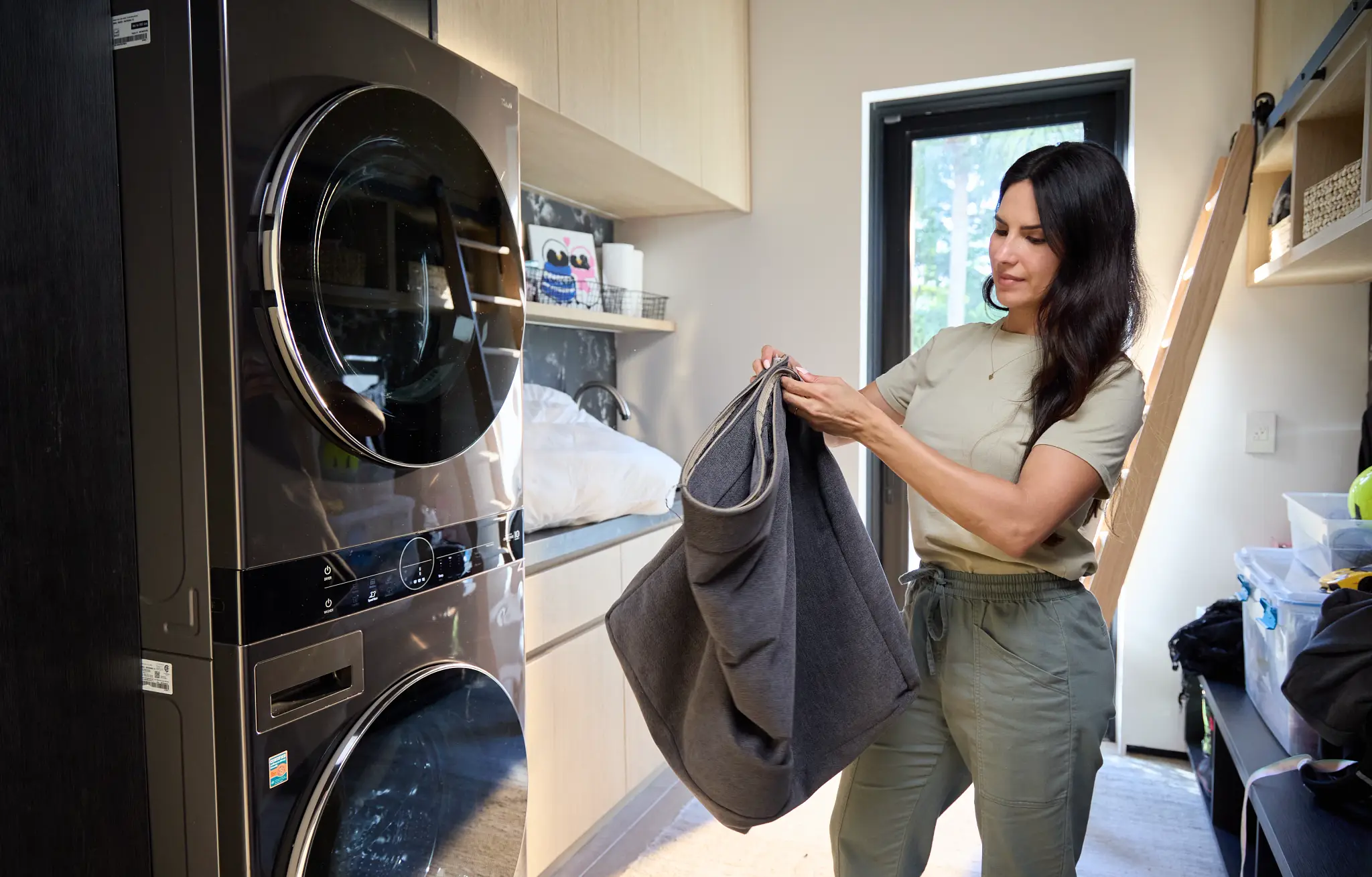
2. Protect Furniture and Belongings from Spring Rain and Moisture
Spring weather can be unpredictable, making moisture protection a priority during your move.
Protect your items with:
-
Plastic bins for electronics and fragile items
-
Stretch wrap to secure and protect furniture
-
Waterproof mattress covers
-
Sealed plastic bags for important documents
-
Tarps or moving blankets for added protection
Weather-resistant packing materials help prevent damage and keep your relocation on schedule, even during unexpected rain showers.

3. Label Boxes Clearly for Faster, Stress-Free Unpacking
Clear labeling is one of the most overlooked yet highly effective moving organization strategies for a smooth relocation. Properly labeled boxes reduce guesswork, speed up unloading, and ensure items go directly to the correct rooms.
Mark every moving box with:
-
Room name
-
Priority level (Open First, Week One, Storage)
-
Brief description of contents
Label multiple sides of each box so details remain visible when stacked. Using waterproof markers or printed labels helps prevent smudging during transport.
Color-coded labels or stickers can further streamline unloading by allowing movers to identify rooms at a glance. This system reduces confusion, saves time, protects fragile items, and makes unpacking far more efficient.

4. Pack a Moving Day Essentials Box for Immediate Needs
An essentials box ensures you’re prepared during the first 24–48 hours in your new home.
Essential moving items to pack:
-
Toiletries and medications
-
Phone chargers and electronics
-
Important documents
-
Snacks and bottled water
-
Basic kitchen supplies
-
Cleaning products
-
Change of clothes
Keep this box with you rather than loading it onto the moving truck. Having immediate access to daily necessities reduces stress and helps you function comfortably while everything else is still packed.

Post-Move Home Setup: Organize, Refresh, and Settle In
Your seasonal relocation doesn’t end when the moving truck pulls away. A strategic home setup is essential for feeling settled, organized, and in control. Thoughtful post-move planning helps prevent clutter from returning and ensures your new space reflects the fresh-start energy that comes with spring.
Taking the time to set up your home properly supports smoother daily routines, better organization, and a more comfortable, stress-free transition into your new environment.


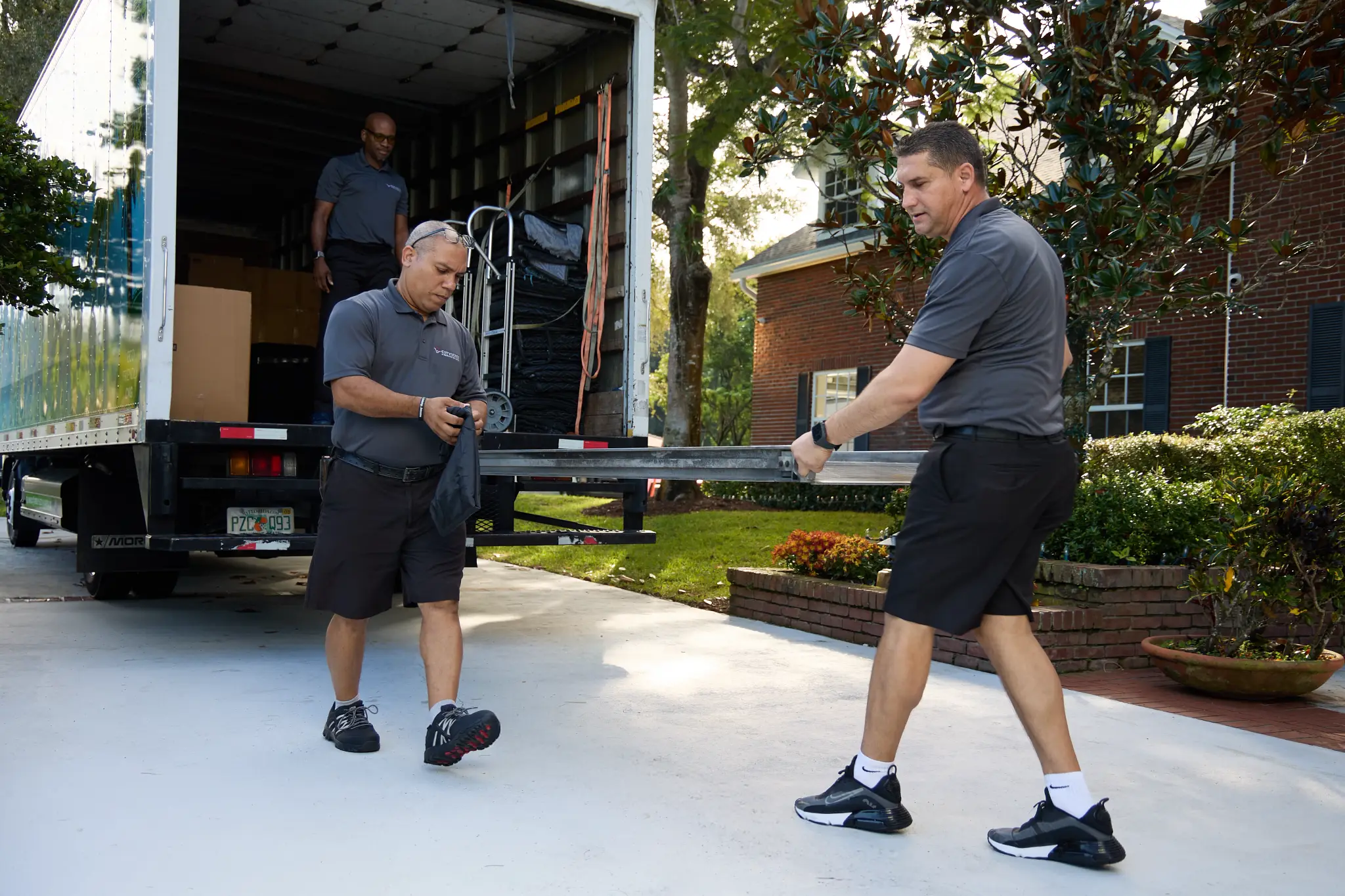
1. Inspect Your New Home Before Unpacking
Before opening boxes, complete a quick home inspection. Identifying issues early protects your investment and avoids future disruptions. Check for winter-related wear or exterior damage, confirm that HVAC and ventilation systems are functioning properly, ensure window and door seals are secure, and verify that all utilities — water, electricity, and internet — are fully activated. Addressing maintenance concerns immediately keeps your move on track and helps prevent costly repairs later.
2. Deep Clean Before Arranging Furniture and Belongings
Even if the home appears clean, deep cleaning before unpacking creates a healthier and more organized foundation. Wipe down surfaces, vacuum and mop floors, disinfect bathrooms, and sanitize kitchen counters and cabinets. Cleaning first ensures your furniture and boxes aren’t placed on dusty or unsanitized areas, making your new space feel truly fresh from the start.
3. Prioritize Essential Rooms for Immediate Functionality
To reduce overwhelm, focus on making key spaces usable first. Set up the bedroom with your bed and linens so you can rest comfortably after moving day. Organize the bathroom with toiletries and daily essentials, then arrange the kitchen with basic cookware and appliances. When these core areas are operational, your transition feels smoother and far more manageable.
4. Maximize Natural Light for a Fresh Spring Atmosphere
Spring is all about renewal, so open curtains and blinds to let in as much natural light as possible. If weather allows, open windows to improve airflow and reduce lingering odors from packing materials. Adding fresh plants or flowers can further enhance the feeling of a clean, welcoming environment while boosting mood and productivity during the unpacking process.
5. Unpack Strategically to Maintain Long-Term Organization
Avoid letting unopened boxes accumulate for days or weeks. Unpack intentionally and assign every item a designated place as you go. This method prevents clutter from building up and supports long-term organization, helping your home function efficiently right away.
Following these spring moving tips ensures your new home feels calm, organized, and refreshed from day one. A well-planned setup transforms your seasonal relocation into a smooth transition and a true new beginning.
Spring Moving Made Easy: Your Step-by-Step Relocation Plan
A successful spring relocation starts with a clear, step-by-step plan. This complete spring moving blueprint combines smart moving planning, an organized packing checklist, and efficient home setup strategies to ensure your seasonal move is smooth from start to finish. By breaking the process into manageable phases, you reduce stress, control costs, stay on schedule, and create a more confident, well-organized transition into your new home.


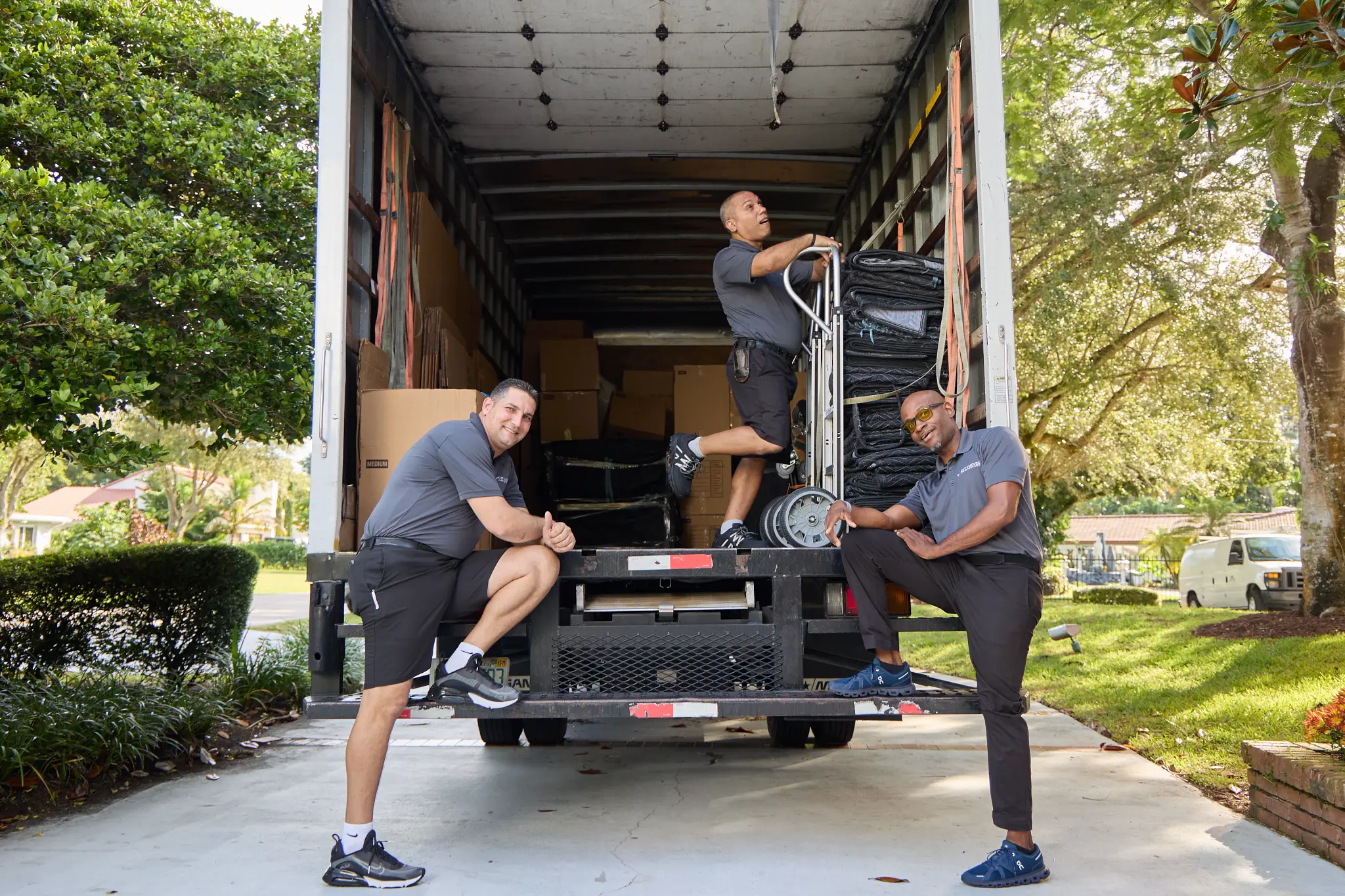
Phase 1: Plan Early and Organize Your Spring Move
The foundation of any smooth move is early preparation. Begin planning at least 6–8 weeks before your target date and create a moving calendar outlining key tasks such as booking movers, gathering supplies, transferring utilities, and updating your address. Early spring often offers better availability and competitive pricing, making it ideal to secure your preferred moving date in advance. During this phase, request quotes, compare services, and confirm insurance coverage. If your move includes furniture upgrades or layout changes, using a 3D room planner can help you visualize your new space ahead of time, prevent overcrowding, and support a more organized home setup.
Phase 2: Declutter and Downsize Strategically
Spring symbolizes fresh beginnings, making it the perfect time to reduce excess belongings. Decluttering lowers moving costs, minimizes packing time, and simplifies the entire relocation process. Work room by room, sorting items into keep, donate, sell, or discard categories, with special attention to seasonal items like winter clothing, holiday décor, and rarely used household goods. Downsizing before packing ensures your new home starts clean, organized, and free from unnecessary clutter.
Phase 3: Pack Smart — Essentials vs. Seasonal Items
A structured packing checklist keeps your move efficient and manageable. Separate winter storage items from everyday essentials, label boxes clearly by room and priority, and use waterproof materials to protect belongings from spring rain. Prepare an essentials box with toiletries, chargers, important documents, medications, and basic kitchen supplies so your first night in the new home is comfortable and stress-free. Thoughtful packing reduces confusion during unloading and accelerates the unpacking process.
Phase 4: Prepare for Spring Weather
Because spring weather can change quickly, flexible planning is critical. Monitor forecasts closely in the days leading up to your move, use protective coverings for furniture, and keep towels or cleaning supplies accessible in case of rain or mud. Scheduling a mid-morning move can help avoid early moisture and late-afternoon storms. Weather-conscious preparation protects both your belongings and your timeline from unexpected disruptions.
Phase 5: Set Up Key Rooms for a Smooth Move-In
Once you arrive, prioritize functionality over perfection. Inspect the property, confirm utilities are active, and complete a deep clean before arranging furniture. Focus first on essential rooms — the bedroom, bathroom, and kitchen — to establish immediate comfort and routine. If available, take advantage of free design services or professional furniture support to simplify layout decisions, and coordinate fast shipping for any new pieces needed. Setting up core spaces quickly helps your home feel complete and reinforces the sense of a fresh, organized new beginning.