Open Concept Dining: How to Create Flow Between Living & Dining Spaces | CITY Furniture
Open Concept Dining: Creating Flow Between Dining and Living Spaces

Open Concept Dining: Creating Flow Between Dining and Living Spaces

Perfect for modern homes and spacious floor plans, an open concept layout makes your home feel brighter, larger, and more connected. But designing a space that looks cohesive—while still defining each area—can be a challenge. The key is creating visual flow between your dining and living spaces through color, furniture coordination, and thoughtful styling.


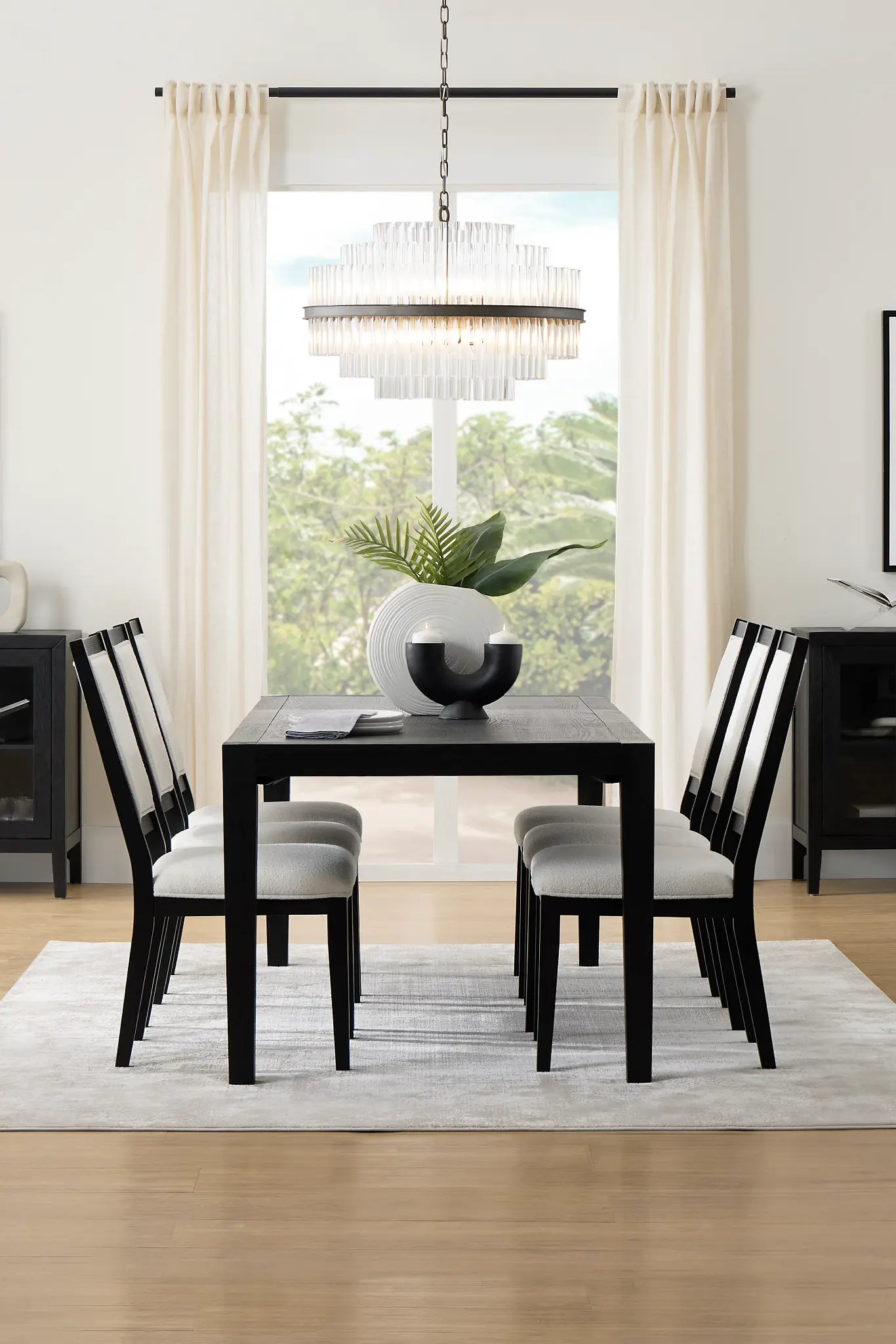
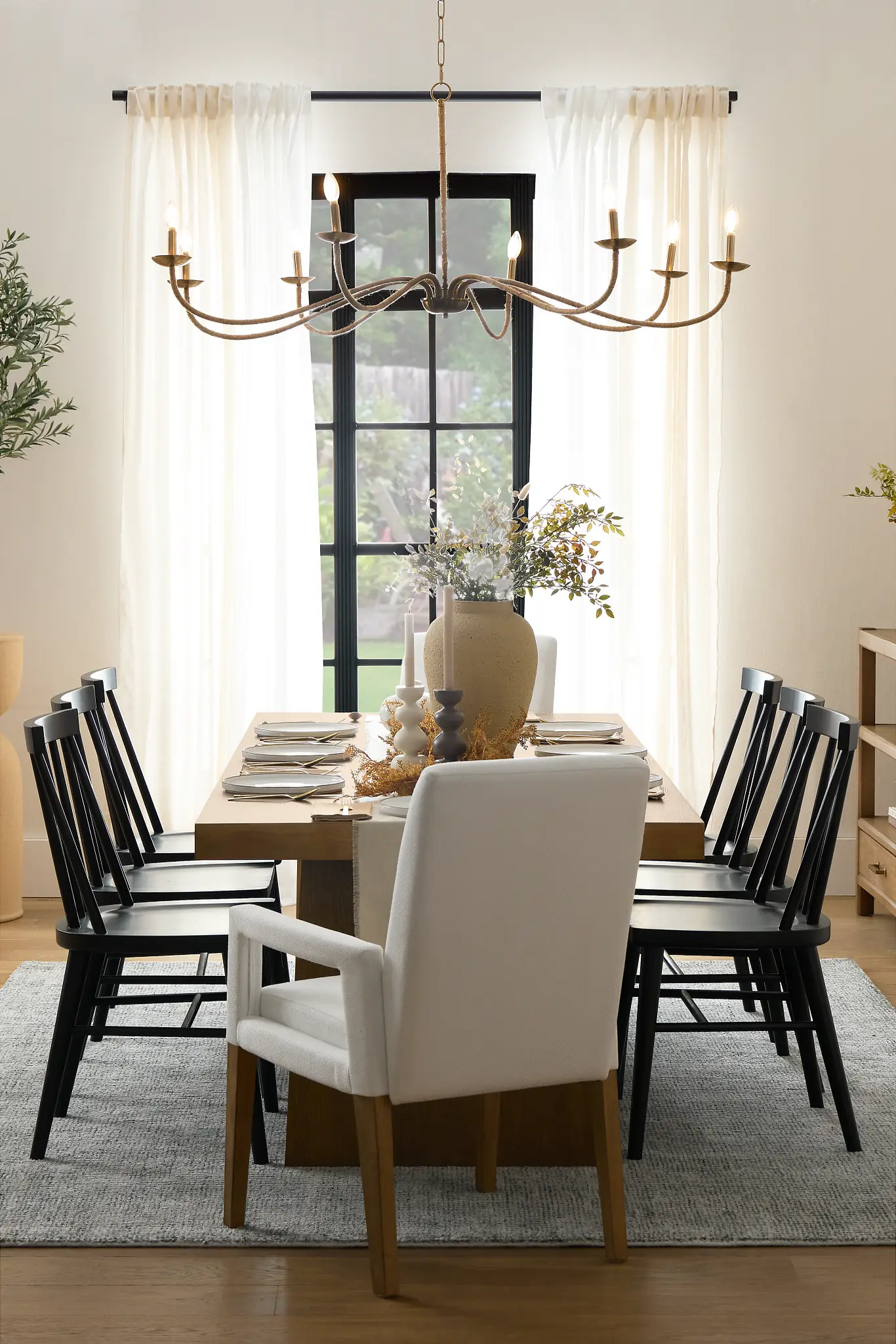
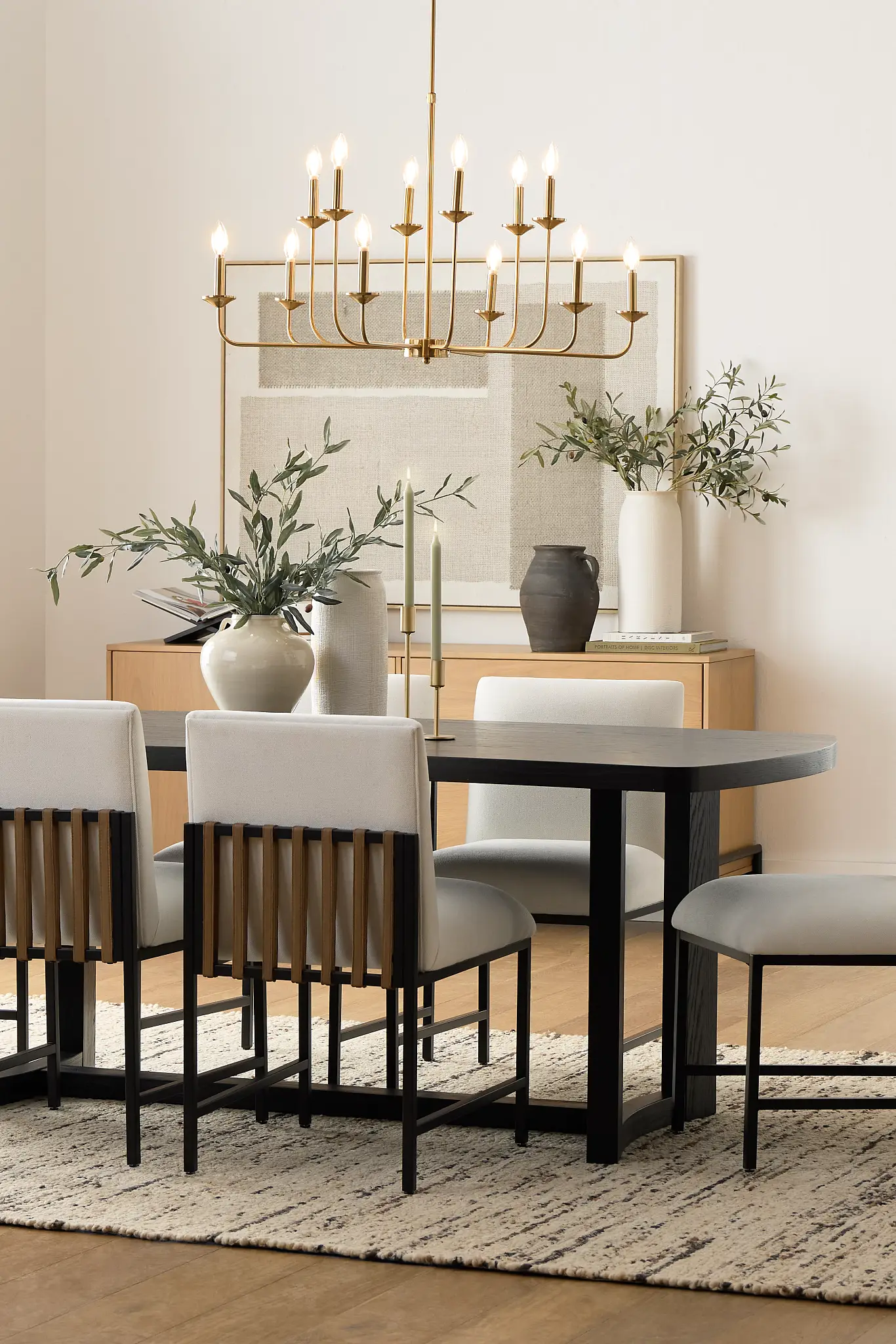
CITY Furniture’s coordinated collections, like the Highland and Alden series, make it easy to tie multiple rooms together while maintaining distinct functionality. Whether you’re decorating a new home or refreshing your layout, here’s how to master open concept dining and create harmony across every corner of your home.
Why Flow Matters in Open Concept Spaces

Why Flow Matters in Open Concept Spaces

An open concept living and dining room is a hallmark of modern home design, offering a bright, airy environment that encourages connection and flexibility. With fewer walls dividing the rooms, it creates a natural sense of openness that’s perfect for entertaining guests, hosting family dinners, or simply enjoying daily life together. The challenge, however, lies in maintaining visual harmony across multiple functional zones—especially when furniture, décor, and lighting must coexist in one continuous area.


Creating flow in open concept spaces is essential for both aesthetics and practicality. It’s what transforms an open floor plan from a collection of furniture into a thoughtfully designed home. Flow ensures that your living and dining room furniture complement one another, your color palette transitions smoothly, and your layout feels intuitive. Without it, the space can appear cluttered or disjointed, making even large rooms feel smaller and less inviting.


To achieve seamless movement between areas, start by thinking of your open concept home design as a single canvas. Each zone—the living room, dining space, and even adjoining kitchen—should tell a connected visual story. Use consistent materials, coordinated finishes, and repeating accent colors to guide the eye from one space to another.


When flow is established, your open floor plan design feels curated and effortless. It allows family members and guests to move comfortably between zones, making every part of your home feel welcoming and functional. The result is a modern open concept home that blends beauty, balance, and practicality—perfect for today’s lifestyles.

Start with a Unified Color Palette

Start with a Unified Color Palette

A consistent color palette is the foundation of any cohesive open concept home design. In spaces where the living and dining rooms share one open area, color plays a vital role in establishing visual flow. It connects each zone, balances the energy of the space, and helps the eye transition smoothly from one function to another. Without a unifying palette, your home can easily feel fragmented or visually overwhelming.


Begin by choosing complementary tones that reflect your style while maintaining harmony. Soft neutrals—like beige, ivory, taupe, or light gray—make excellent base colors because they create an airy backdrop that lets textures and furniture shine. These hues are especially effective in an open concept living and dining room, where natural light flows freely between zones.


Once you’ve chosen a base, add subtle variations or accent colors for depth. A touch of warm wood, muted sage, or navy blue can bring personality without disrupting the calm. You can repeat these accents through textiles, wall art, or even dining chairs and throw pillows to reinforce continuity.


For a natural, timeless approach, explore CITY Furniture’s Alden Collection. With its rich walnut finishes, warm undertones, and soft neutral upholstery, it effortlessly blends across open concept dining and living areas. Whether you’re styling a sleek modern condo or a spacious family home, the Alden line makes it easy to maintain a coordinated look throughout.


If you prefer a lighter, more contemporary feel, the Highland Collection is another great option. Its weathered wood tones and clean silhouettes complement open layouts beautifully, bringing a sense of relaxed sophistication that ties multiple spaces together.


To make the most of your color palette:

  • Use repetition: Carry your main hues across walls, rugs, curtains, and accessories.

  • Vary the shades: Mix lighter and darker tones of the same color family for visual depth.

  • Balance warmth and coolness: Combine warm finishes, like walnut or oak, with cooler accent tones such as gray or cream for equilibrium.


When done right, your color palette becomes the silent connector that unites your open floor plan design. It enhances the relationship between spaces, promotes visual balance, and creates a sense of continuity that feels both intentional and inviting.

Coordinate Furniture Styles Without Overmatching

Coordinate Furniture Styles Without Overmatching

Achieving balance in an open concept living and dining room isn’t about matching every piece—it’s about coordination. In open layouts, where both spaces are visible at once, identical furniture styles can make the area feel overly uniform or staged. Instead, focus on finding pieces that share complementary design details, creating a look that feels cohesive yet dynamic.


Start by identifying a few unifying elements—such as color, finish, or material—that can tie your dining and living room furniture together. For instance, if your dining table features rich wood tones, choose a sectional sofa with legs or accents in a similar finish. This subtle connection builds visual harmony without feeling forced.


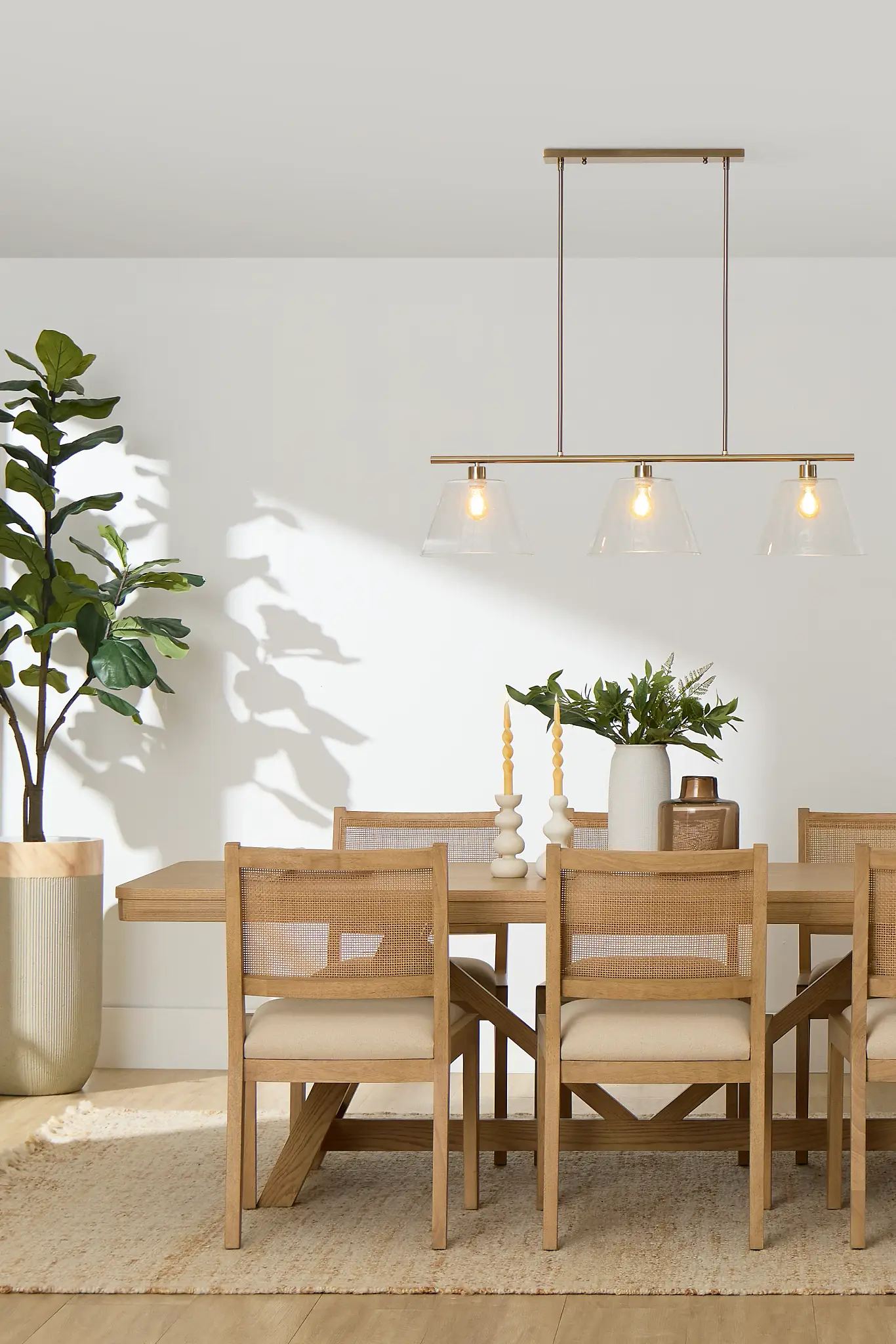
The Lynden Collection is a perfect example of balance done right. Its natural wood textures, clean lines, and warm undertones transition beautifully across an open concept home design, bringing together rustic charm and modern elegance. Pair a CITY Furniture dining set from the Lyndend line with a sleek, accent chairs to maintain unity while keeping the space visually engaging.


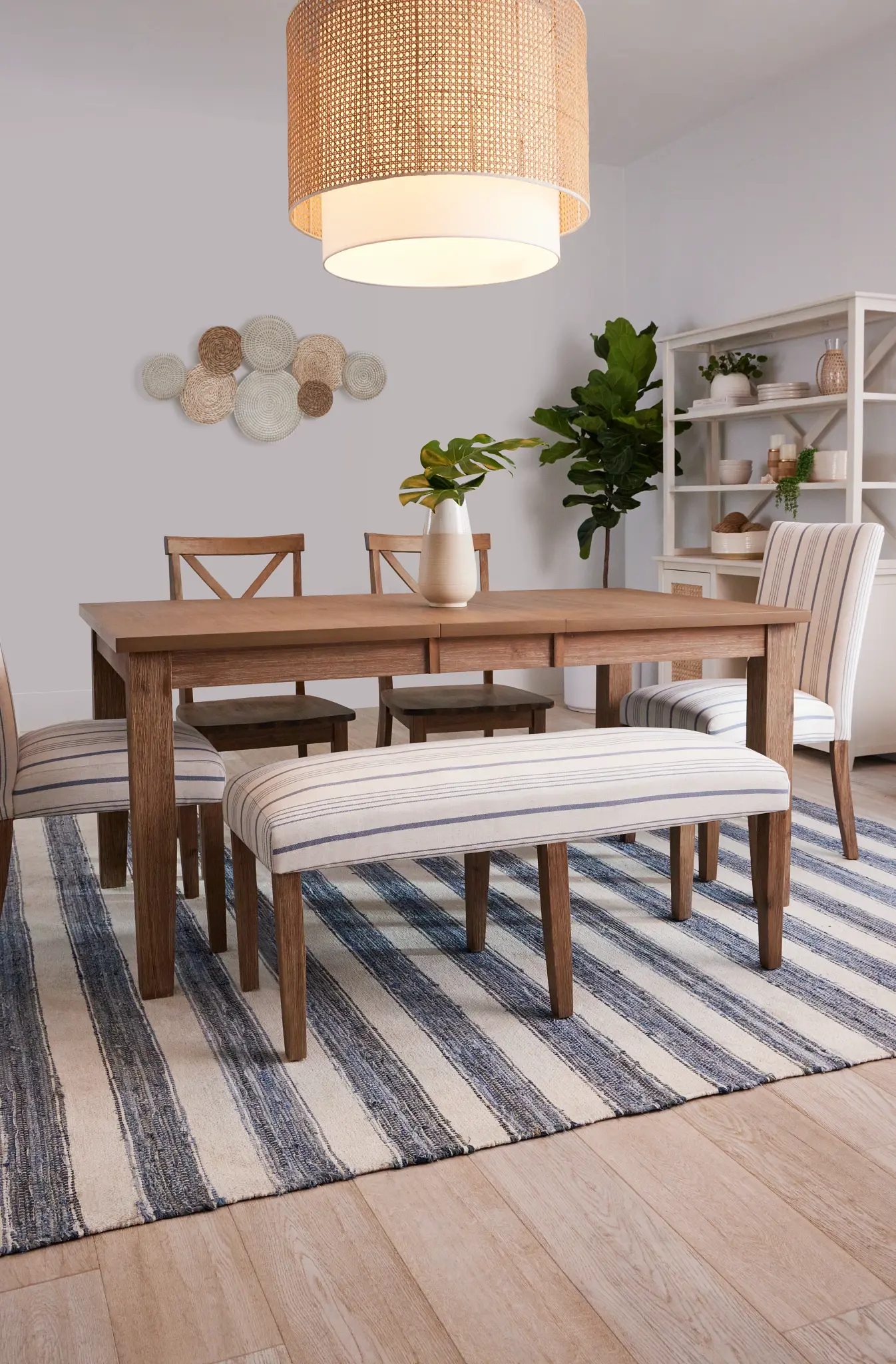
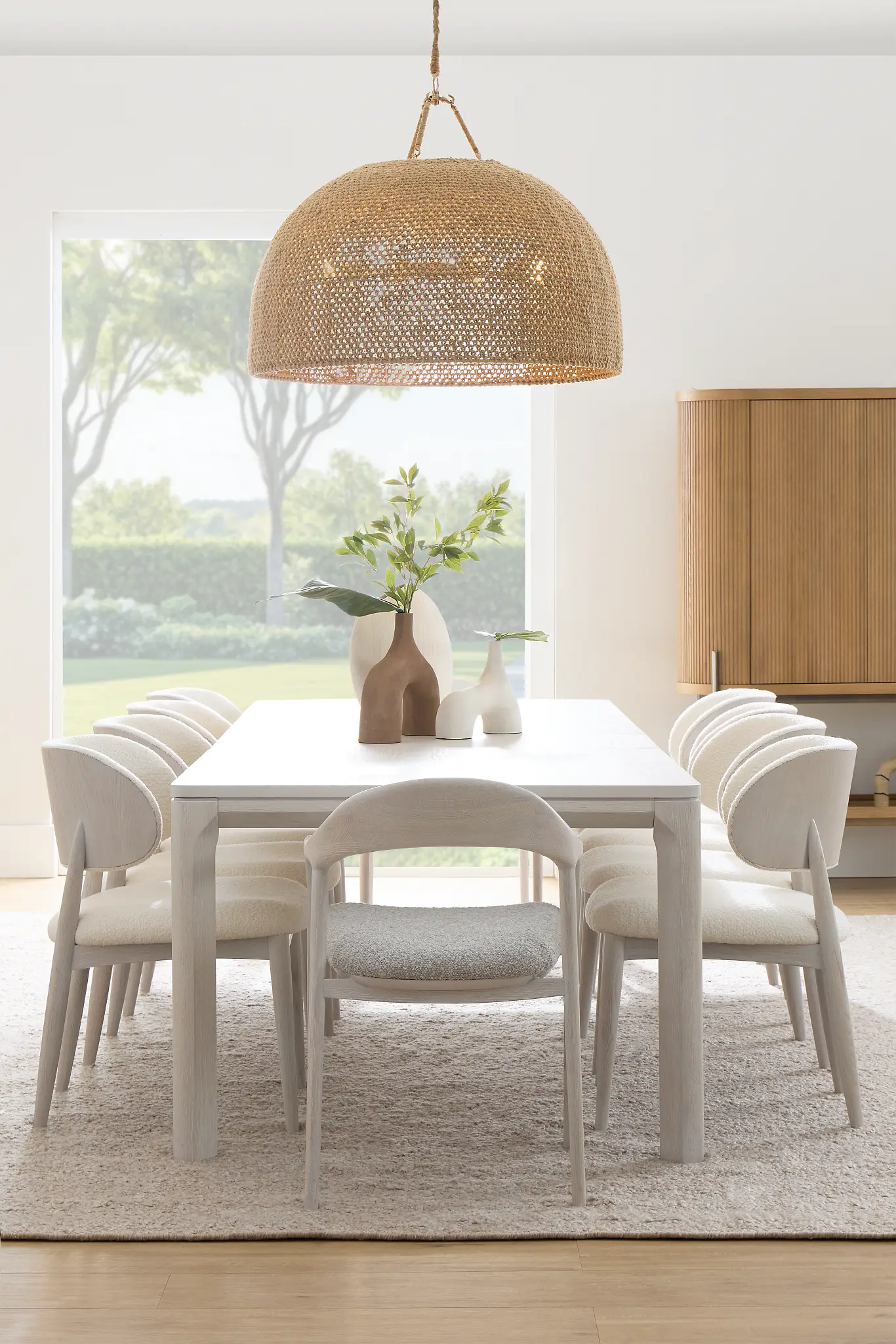
Likewise, the Haven Collection is perfect for those who appreciate a refined, modern coastal aesthetic. Its blend of natural materials and relaxed elegance brings both beauty and functionality to your home. Haven Collection seats up to eight—making it an ideal choice for those seeking a stylish, functional centerpiece in a modern open concept dining space.


Here are a few design tips to help coordinate furniture styles successfully:

  • Vary textures: Mix soft fabrics with hard surfaces like wood or metal for contrast.

  • Repeat shapes or details: Echo rounded corners, leg styles, or hardware finishes between rooms.

  • Maintain proportion: Ensure furniture in both areas shares similar scale and visual weight for balance.

  • Layer accent pieces: Use rugs, lighting, and accessories to bridge styles and reinforce the connection between spaces.


By coordinating your furniture styles without overmatching, your open floor plan design gains depth, interest, and personality. The result is a space that feels collected over time—cohesive, functional, and uniquely yours.

Open Concept Layout Tips to Guide Movement and Visual Flow

Open Concept Layout Tips to Guide Movement and Visual Flow

In an open concept living and dining room, layout is essential for creating both functionality and flow. Thoughtful arrangement of furniture helps guide movement between zones while keeping sightlines clear, making the space feel open, connected, and welcoming. Poor layout can make even a spacious open floor plan feel cluttered or awkward, so careful planning is key.


Start by identifying the natural flow of traffic in your home. Ideally, your dining area should be positioned near the kitchen for convenience, while also benefiting from natural light. Placing your dining table near large windows not only enhances functionality but also creates a focal point that draws the eye through the space.


In the living area, furniture placement should encourage both conversation and connection to the dining space. Angling your sofa so it subtly faces the dining area can unify the two zones without interrupting openness. This creates a sense of cohesion while allowing each area to maintain its own purpose.


To subtly define spaces without adding walls, incorporate furniture that acts as a divider:

  • Console tables placed behind a sofa can mark boundaries without blocking flow.

  • Open shelving units work beautifully as visual dividers that still allow light and sightlines to pass through.


Using layered textures, rugs, and lighting further supports the layout. For example, a rug anchored under the living room seating area visually defines that space while leaving enough floor exposed to allow movement. Similarly, pendant lighting over the dining table draws attention to the dining zone while maintaining an open connection to the living area.


This type of space planning for open layouts ensures your home feels inviting, airy, and purposeful. A well-considered layout not only enhances the beauty of your design but also improves everyday living—making your open concept home both stylish and functional.

Blend Materials & Textures for Subtle Separation

Blend Materials & Textures for Subtle Separation

One of the most effective ways to create distinction in an open concept living and dining room is through the thoughtful use of materials. Mixing textures and finishes adds depth, personality, and subtle separation between spaces—without interrupting the natural flow of your open floor plan design.


Material contrast allows each area to maintain its own identity while still feeling connected. For example, pairing a wood dining table with living room furniture in glass, metal, or acrylic introduces variety and visual interest. This technique creates a deliberate transition between zones, helping define spaces without physical barriers.


Soft textiles also play an important role in creating warmth and contrast. Incorporate fabrics like linen, velvet, or boucle in your living area to offset the harder surfaces of your dining zone. Throw pillows, upholstered chairs, and area rugs can introduce these textures while reinforcing your chosen color palette.


Mixing finishes—wood, glass, metal, and textiles—also allows for layered style and cohesion. For instance:

  • Choose a dining table with a warm wood finish and pair it with a sleek metal-framed sofa or coffee table.

  • Introduce glass or mirrored accents in your living space to reflect light and enhance the feeling of openness.

  • Add textiles in complementary colors to bridge the two zones.


The Rockford and Savannah Collections from CITY Furniture beautifully exemplify how modern home design and thoughtful material combinations can create balance and visual harmony in an open concept dining and living space. Each collection blends style and function seamlessly—enhancing flow, warmth, and sophistication throughout your modern home furnishings.


By mixing materials thoughtfully, you add depth to your design while achieving subtle separation that enhances the rhythm of your open concept home design—making your living and dining areas distinct yet harmoniously unified.

Multifunctional Furniture for Seamless Open Spaces

In an open concept living and dining room, furniture that serves multiple purposes is a powerful way to enhance flow while maximizing functionality. Multifunctional pieces not only save space but also allow you to adapt your home to different activities—whether it’s everyday living, entertaining, or working from home.


Examples of multifunctional furniture include:
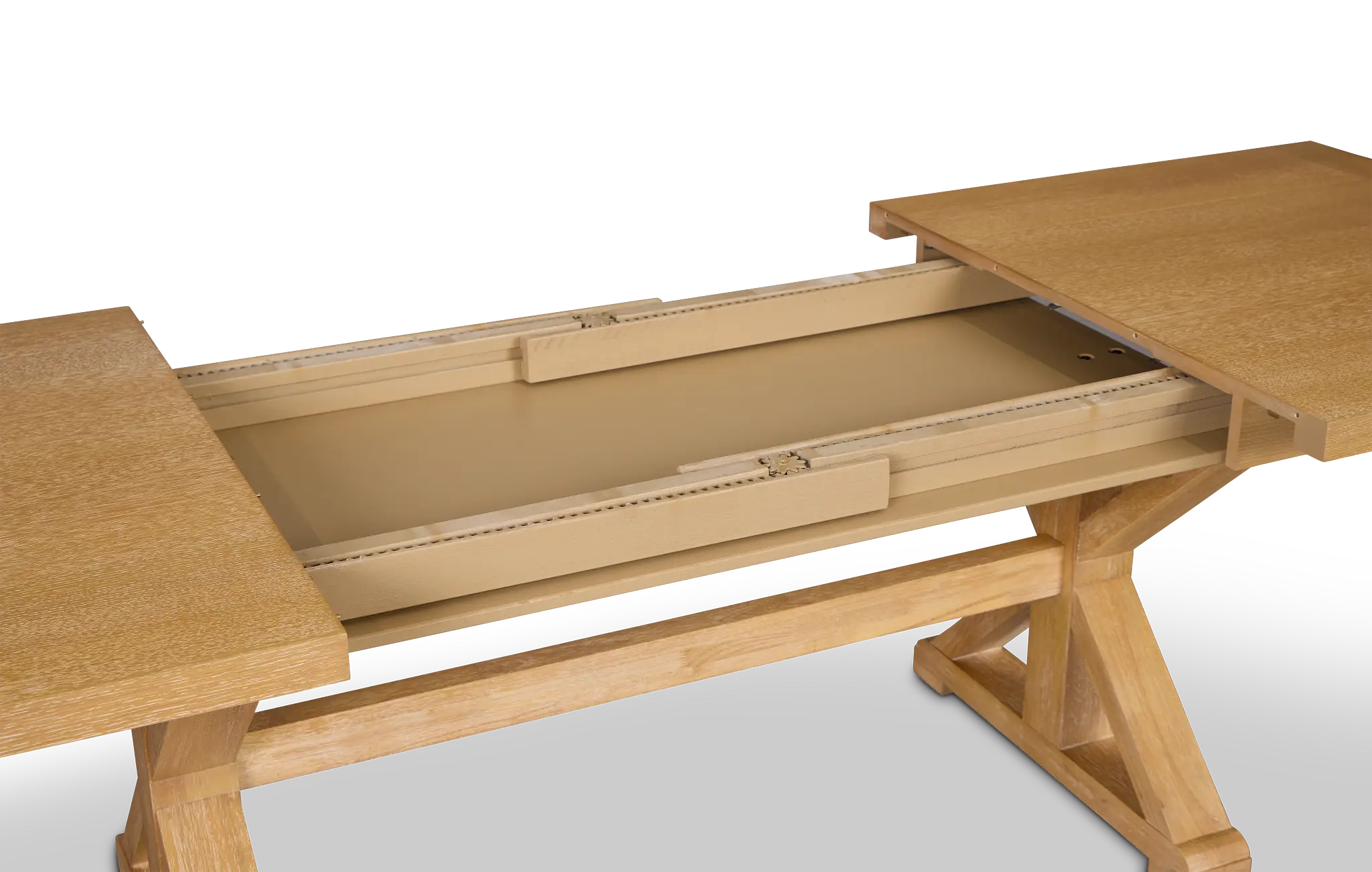
Extendable dining tables

Extendable dining tables

Casually chic with a coastal-inspired charm, the Nantucket Trestle Dining Table from CITY Furniture brings relaxed sophistication to your modern dining space. Designed to capture the easygoing feel of a seaside retreat.
Modular sectionals

Modular sectionals

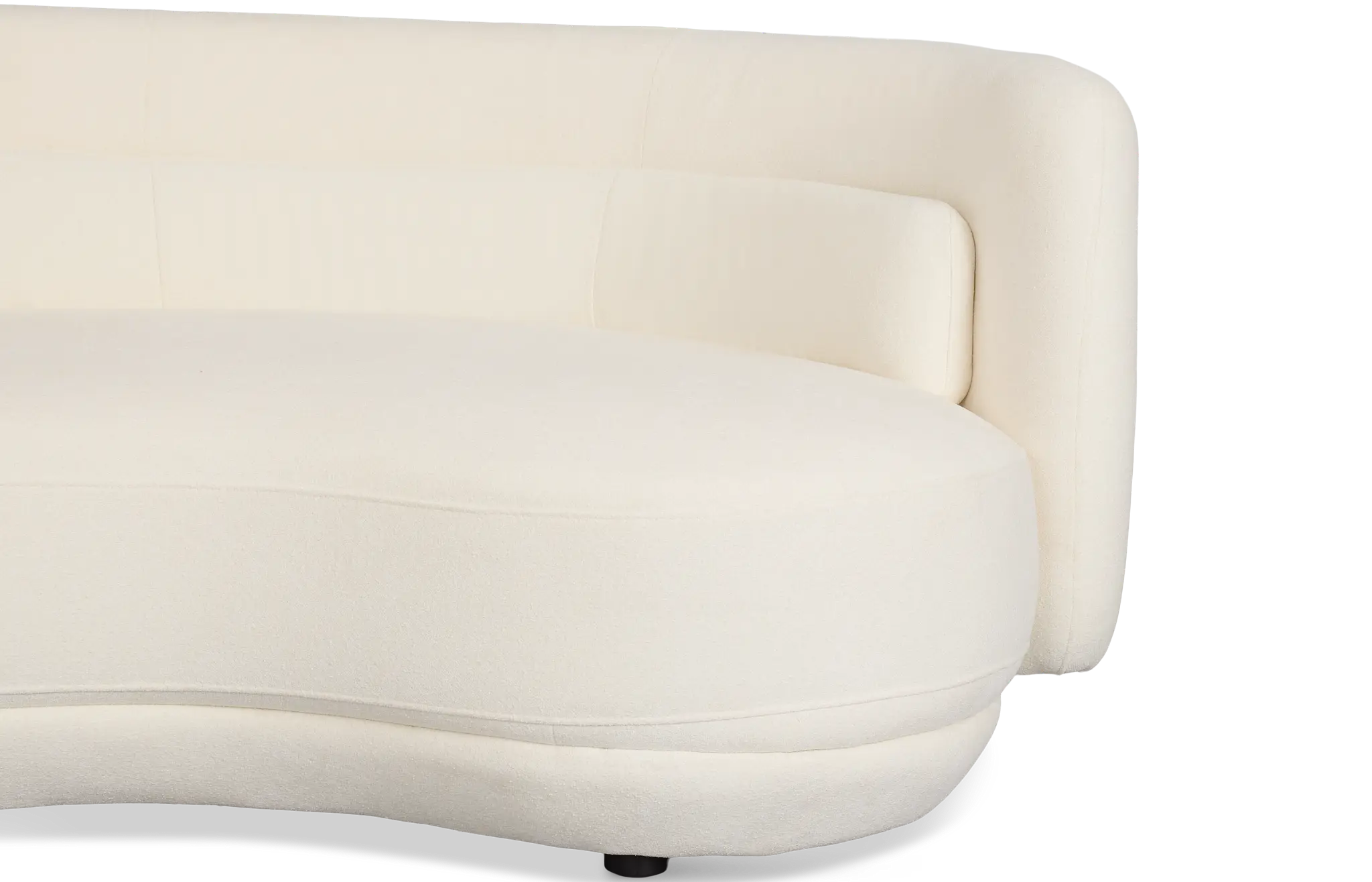
In a modern open concept living space, modular sectionals offer unmatched flexibility, allowing you to rearrange your seating to suit any occasion. The Presley Collection from CITY Furniture transforms your living room into a haven of comfort.
Storage benches

Storage benches

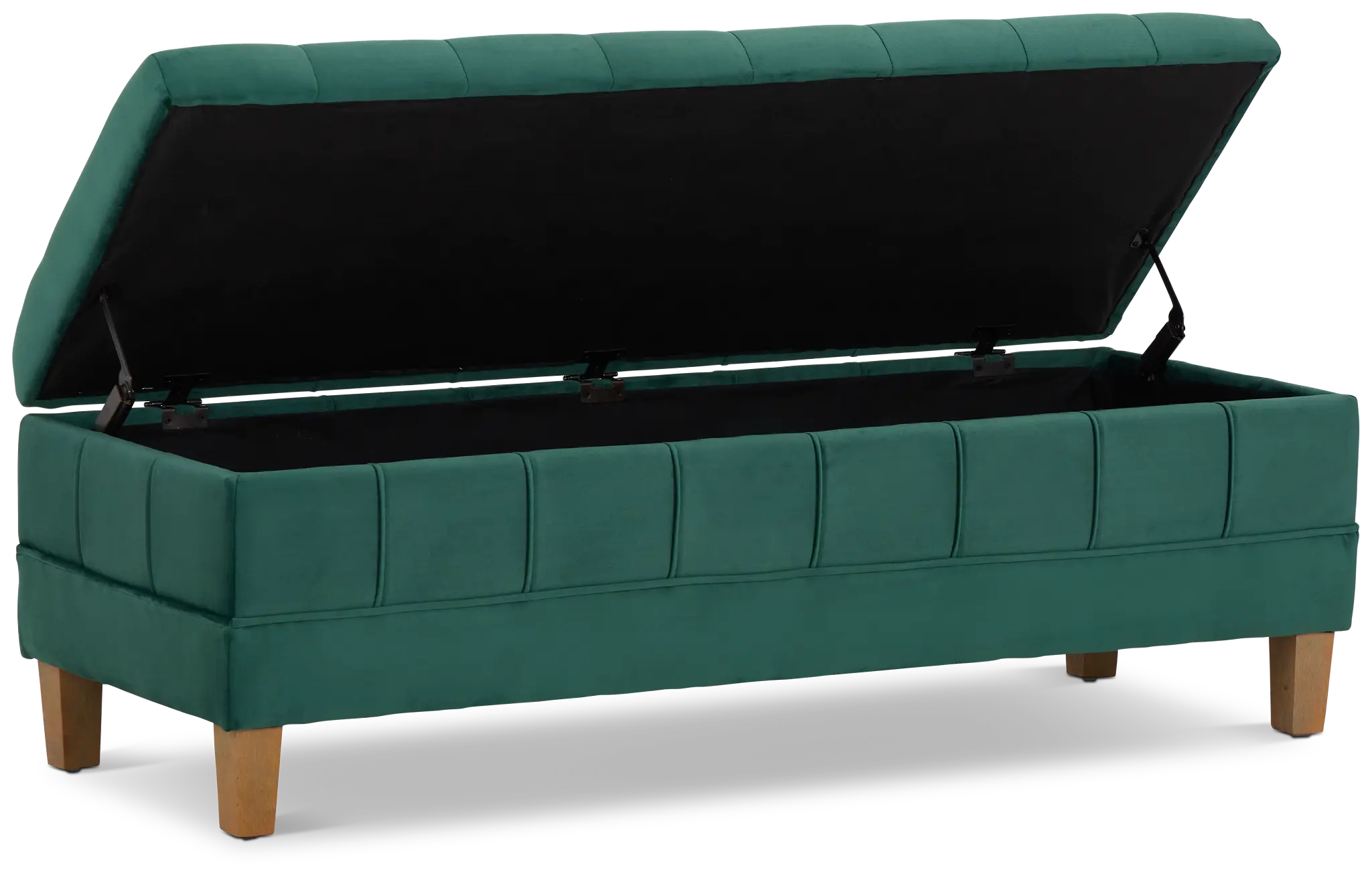
Elevate your modern home furnishings with the stylish and versatile Crosby Bench from CITY Furniture. Designed to add a touch of glam to any space, this chic bench features a plush, tufted seat upholstered in luxurious polyester fabric.

Coffee tables

Coffee tables

In a modern open concept living room, a coffee table with hidden storage is a practical way to keep accessories, textiles, and everyday essentials. The Savannah Coffee Table from CITY Furniture offers both style and functionality.

By incorporating multifunctional furniture, you can keep your open floor plan design uncluttered, flexible, and stylish. This approach makes it easier to transition between dining and living areas while maintaining a harmonious flow throughout your space.


CITY Furniture offers a curated selection of modular sectionals, convertible tables, and stylish storage solutions designed for modern living. Collections like Alden and Highland feature versatile pieces that integrate seamlessly into open layouts, combining both style and function for your home.


Multifunctional furniture is especially valuable in modern open concept home design because it enhances adaptability—allowing your living and dining areas to work together effortlessly for daily life or entertaining. This flexibility not only improves flow but also transforms your home into a space that is both beautiful and practical.
Wall Décor & Accessory Ideas for Open Concept Living Spaces

Wall Décor & Accessory Ideas for Open Concept Living Spaces

In an open concept living and dining room, wall décor and accessories are more than just finishing touches—they’re the elements that bring your entire design together. Thoughtfully chosen pieces create visual flow, reflect your personality, and help bridge the transition between spaces without overwhelming the open layout.


When selecting décor for an open concept home design, look for items that share a cohesive theme, color palette, or design language. This ensures every zone feels connected while still expressing its own purpose and character. For example:

  • Coordinate artwork: Hang complementary art in both the dining and living areas that share similar hues, frames, or subject matter.

  • Use mirrors strategically: Matching or coordinated mirrors help reflect light and visually expand your open layout.

  • Echo materials and finishes: Choose vases, sculptures, or décor accents that tie back to the textures in your furniture or lighting fixtures.

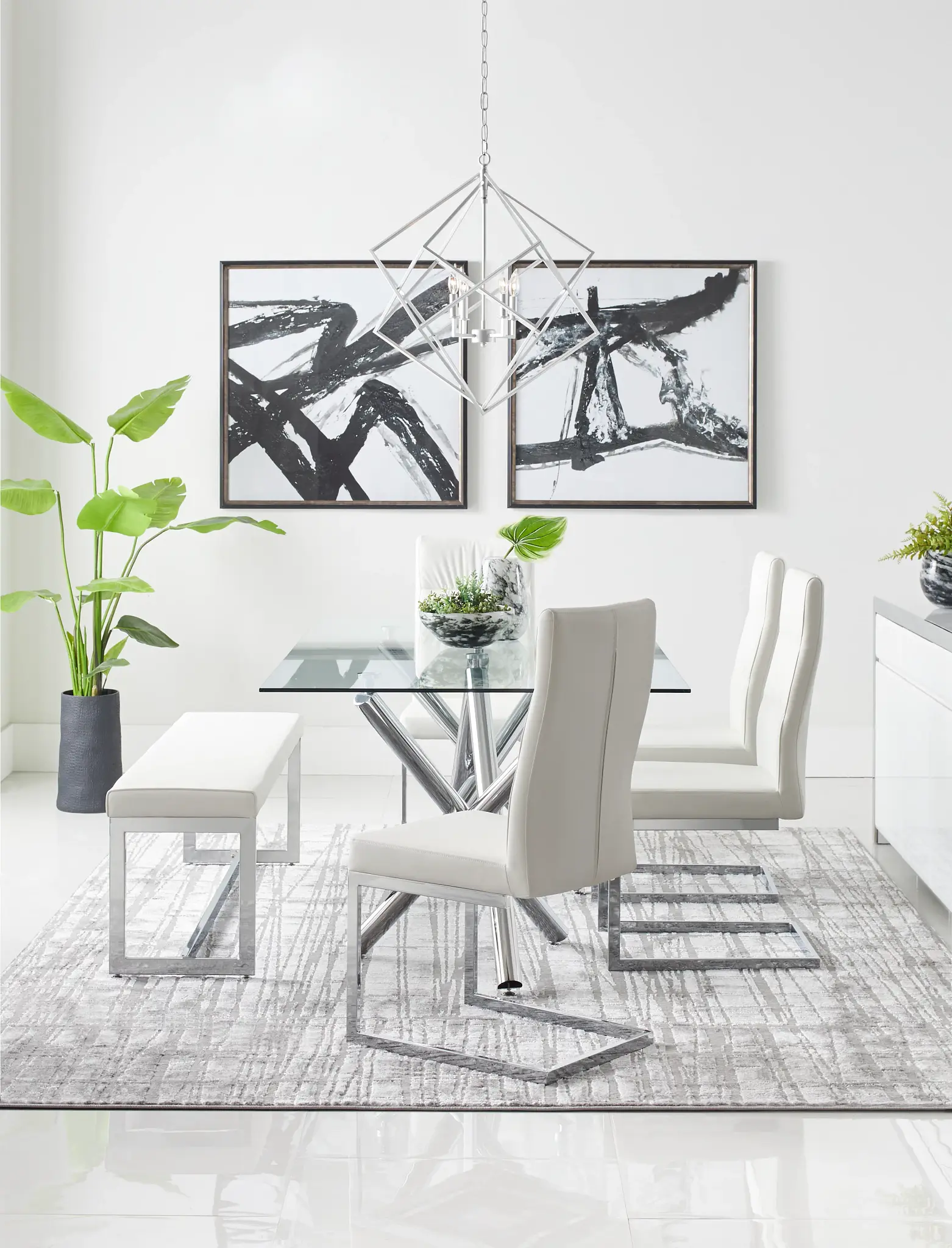
Lighting also serves as both a functional and decorative bridge. A statement chandelier above the dining table, paired with modern floor or table lamps in the living area, can create a harmonious rhythm of light that unites both zones.


CITY Furniture’s curated décor collections make achieving this balance simple. From the Highland Collection’s organic wood textures to the Alden Collection’s sleek, modern finishes, you’ll find art, lighting, and accessories that naturally enhance your open concept home design.


When styled intentionally, your wall décor and accessories don’t just fill space—they connect it. They guide the eye, reinforce your design theme, and turn your open concept living and dining room into a cohesive, inviting environment that feels beautifully complete.

Layer Greenery and Soft Textiles to Enhance Cohesion

Layer Greenery and Soft Textiles to Enhance Cohesion

In an open concept living and dining room, adding greenery and soft textiles is one of the simplest yet most effective ways to create warmth, texture, and connection. These elements not only soften the architectural lines of your home but also help tie different zones together in a natural, inviting way.


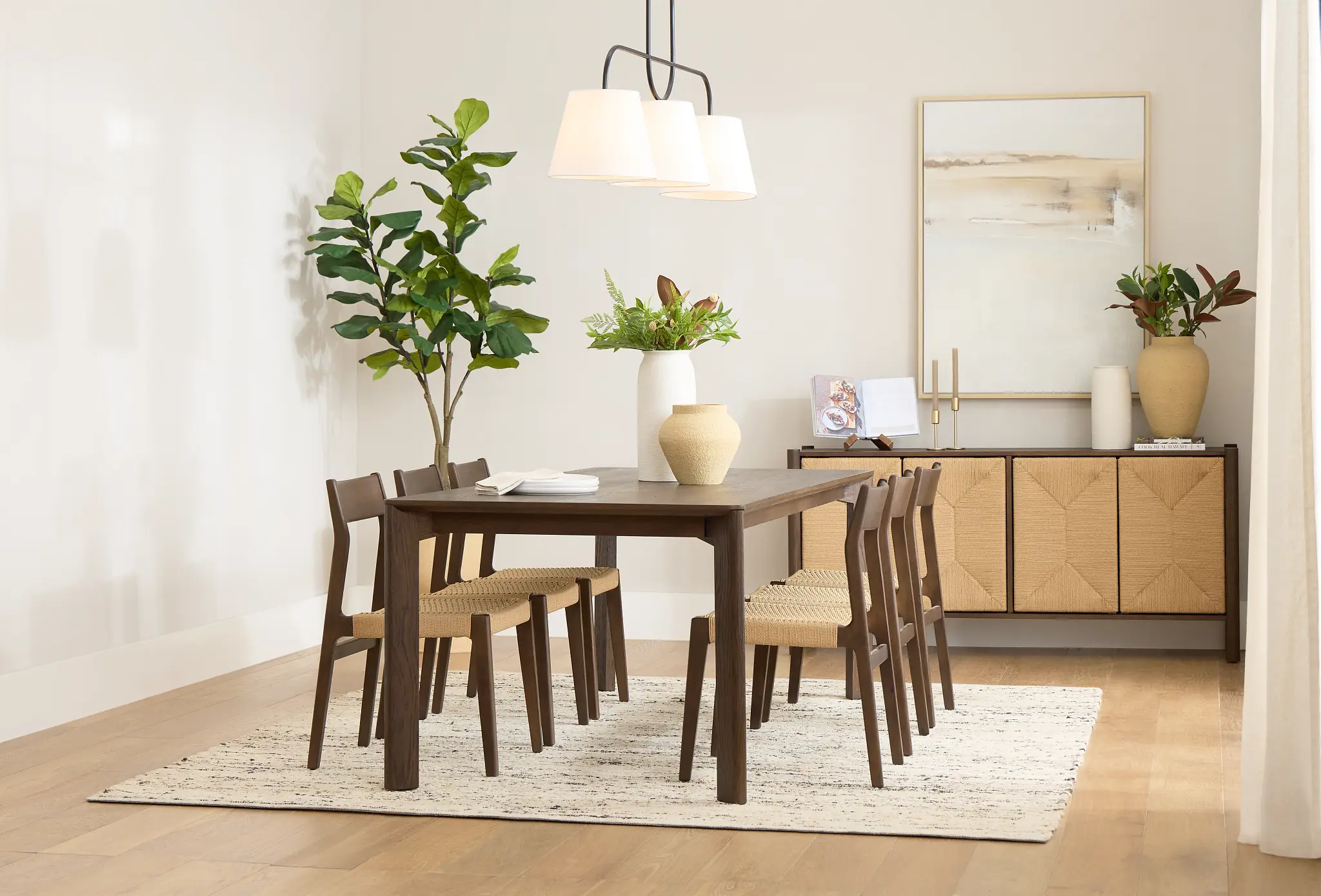
Greenery works as a visual bridge between spaces. Placing matching planters near your dining table and sofa creates balance and reinforces the flow between areas. Consider using tall plants like fiddle leaf figs or areca palms to add vertical interest, or smaller potted plants and succulents to bring a touch of nature to tables and shelves. This infusion of greenery not only enhances your design but also promotes a calming, fresh atmosphere in your open concept home design.


Soft textiles add warmth, comfort, and cohesion. Layer throw pillows, cushions, and blankets in complementary colors or textures to subtly link your living and dining areas. For example, if your dining chairs have neutral upholstery, choose throw pillows in similar shades with varied textures in the living area. Coordinated curtains can also unify the space while controlling light and adding softness.


Rugs are another important textile element that adds cohesion. Using rugs that echo the tones or patterns in both zones creates a visual rhythm and subtly defines each area without interrupting the open flow.


CITY Furniture offers a wide range of modern home décor accessories—from cozy throws and cushions to stylish planters—that make adding these finishing touches easy. Whether you prefer a soft, neutral palette or a bold pop of color, textiles and greenery are key to creating a harmonious, lived-in open concept space.


By thoughtfully layering greenery and textiles, you transform your open layout into a cohesive, inviting home where every zone feels connected yet distinct—a perfect balance for modern living.

Creating Harmony in Your Open Concept Dining and Living Room

Creating Harmony in Your Open Concept Dining and Living Room

Designing a stylish and functional open concept living and dining space is all about balance—achieving cohesion without sacrificing individuality. It’s a thoughtful process that blends practicality with aesthetic harmony, ensuring that each area feels connected while still retaining its own identity.


From choosing a unified color palette and mixing materials, to coordinating furniture styles, defining zones through layout, and layering in lighting and accessories—every design choice contributes to the story of your home. In open floor plan design, details matter. The way your furniture, textiles, décor, and even lighting work together determines whether your space feels curated or chaotic.


With CITY Furniture’s curated and coordinated collections—such as Highland and Alden—you have the tools to create a space that feels effortless, stylish, and inviting. These collections offer versatile designs that work beautifully in open concept home layouts, allowing you to tie your dining and living areas together seamlessly.


Whether you’re designing a new home or refreshing your current space, the key to success is intentionality. When each element is chosen with purpose—whether it’s a statement dining table, a coordinating sectional, a thoughtfully placed rug, or art that echoes the overall theme—your open concept home transforms into a harmonious living environment.


With the right design strategy, your open concept living and dining room becomes more than just a layout—it becomes a living experience that reflects your style, lifestyle, and vision for your home.

Plan Your Perfect Open Concept Space with CITY Furniture

Plan Your Perfect Open Concept Space with CITY Furniture

Designing a harmonious open concept living and dining room is easier when you have the right tools and support. CITY Furniture offers solutions that make the process simple, inspiring, and stress-free—whether you’re starting from scratch or refreshing your current layout.


Visualize your dream space before you buy. CITY Furniture’s 3D Room Planner lets you experiment with layouts, furniture styles, and color palettes, so you can see exactly how your choices will look in your home. This tool helps ensure your open floor plan design flows perfectly, saving time and avoiding costly mistakes.


Not sure where to start? CITY Furniture’s complimentary design services connect you with expert designers who can help you bring your vision to life. From selecting the right color palette and coordinating furniture styles to optimizing layouts for flow, our designers provide personalized guidance to make your open concept space cohesive, stylish, and functional.


Once your design is complete, CITY Furniture makes it easy to bring your vision to life. With fast shipping and professional delivery, you can enjoy your new furniture sooner—without the stress of complicated logistics. Whether it’s a coordinated Highland dining set, a modular sectional from the Alden Collection, or stylish home accents, CITY Furniture delivers with speed and care.


By combining 3D planning tools, free design services, and fast shipping, CITY Furniture empowers you to create an open concept living and dining space that is both beautiful and practical—tailored to your style and lifestyle.